Custom merchandise for attractions and venues
Custom knit beanies for attraction and venue gift shops,
in your design
Beanies knitted to your design for the gift shop of an attraction or venue: your artwork and yarn colours knitted in, a pom-pom, a leather or faux-leather patch on the cuff and your own sewn labels, with scarves to match. You approve a sample before the run, and the order is planned back from the day the beanies have to be on your shelves.
- Reply within 1 business day
- Landed cost, itemised
- Trading since 2020
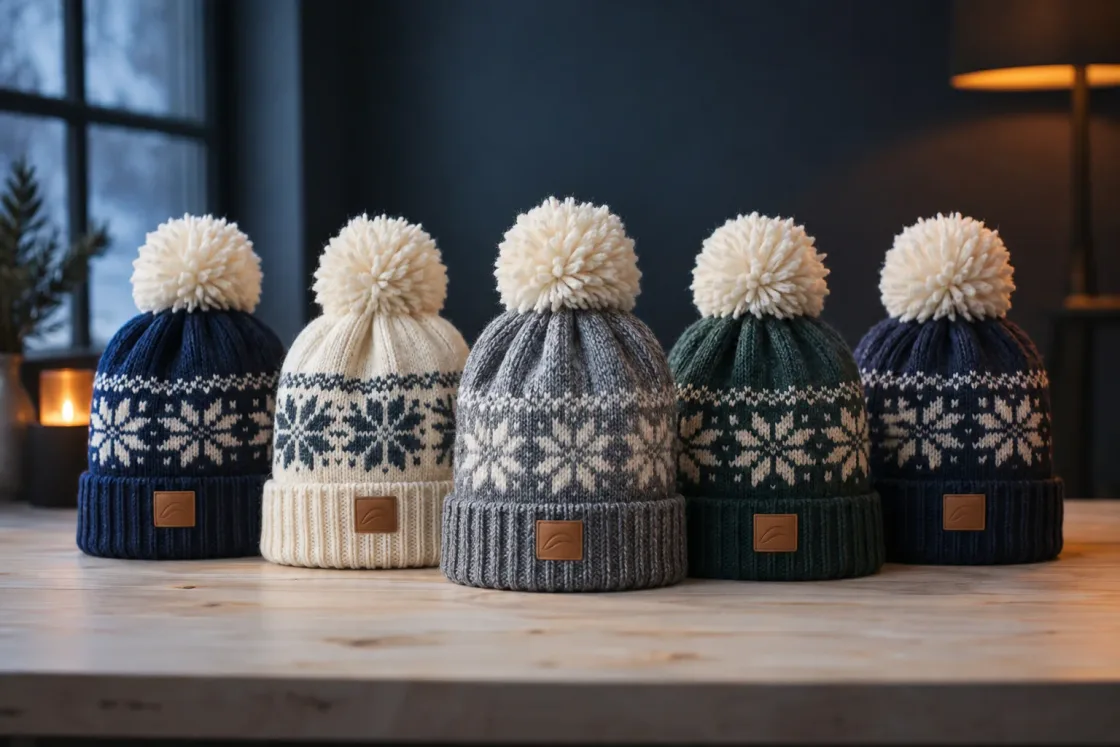
- Your design knitted in
- Pom-pom and leather patch
- Your own sewn labels
- Scarves to match
From the yarn to the shelf
How a custom knit beanie is made: yarn, knitting, pom and patch
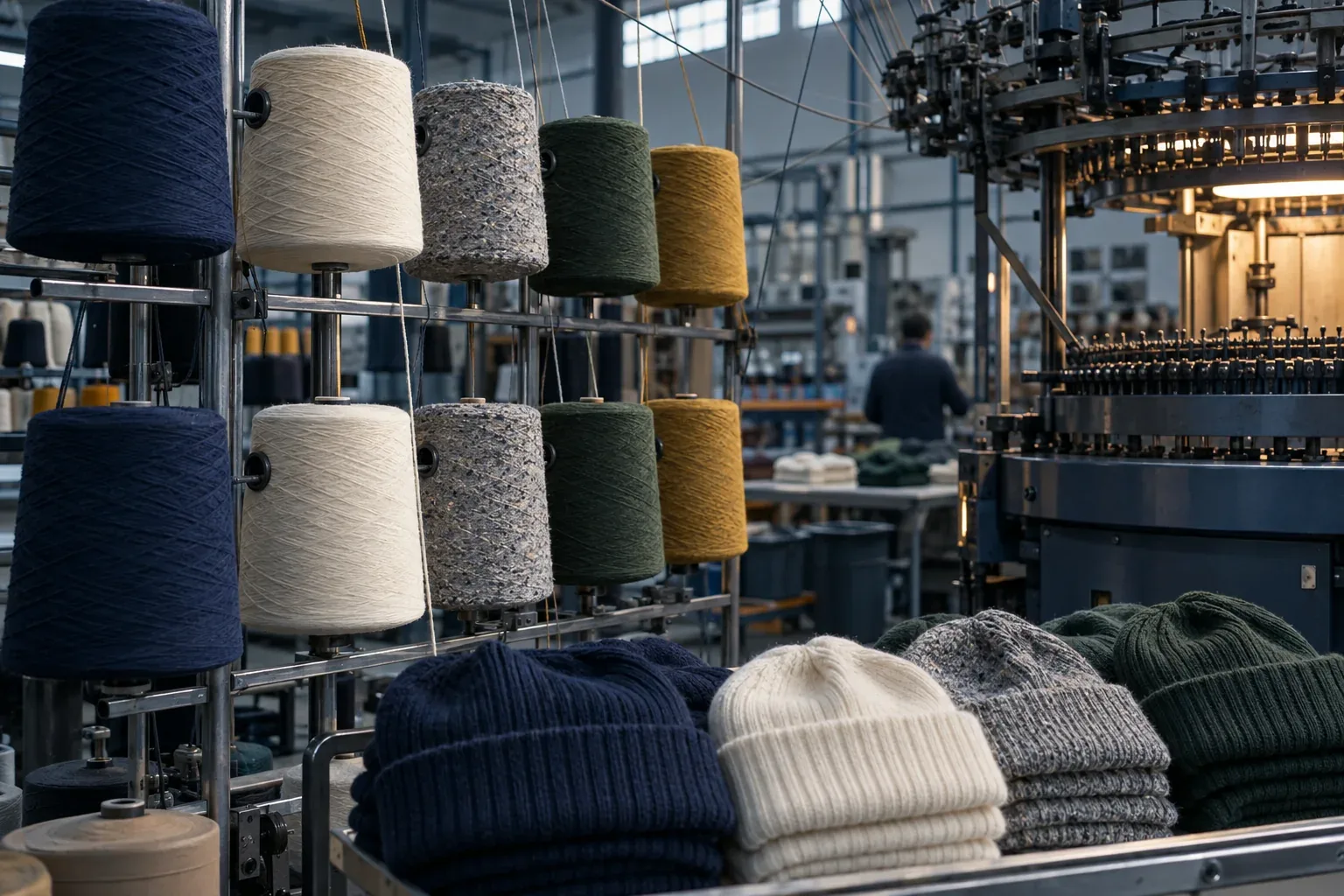
Yarn in your colours 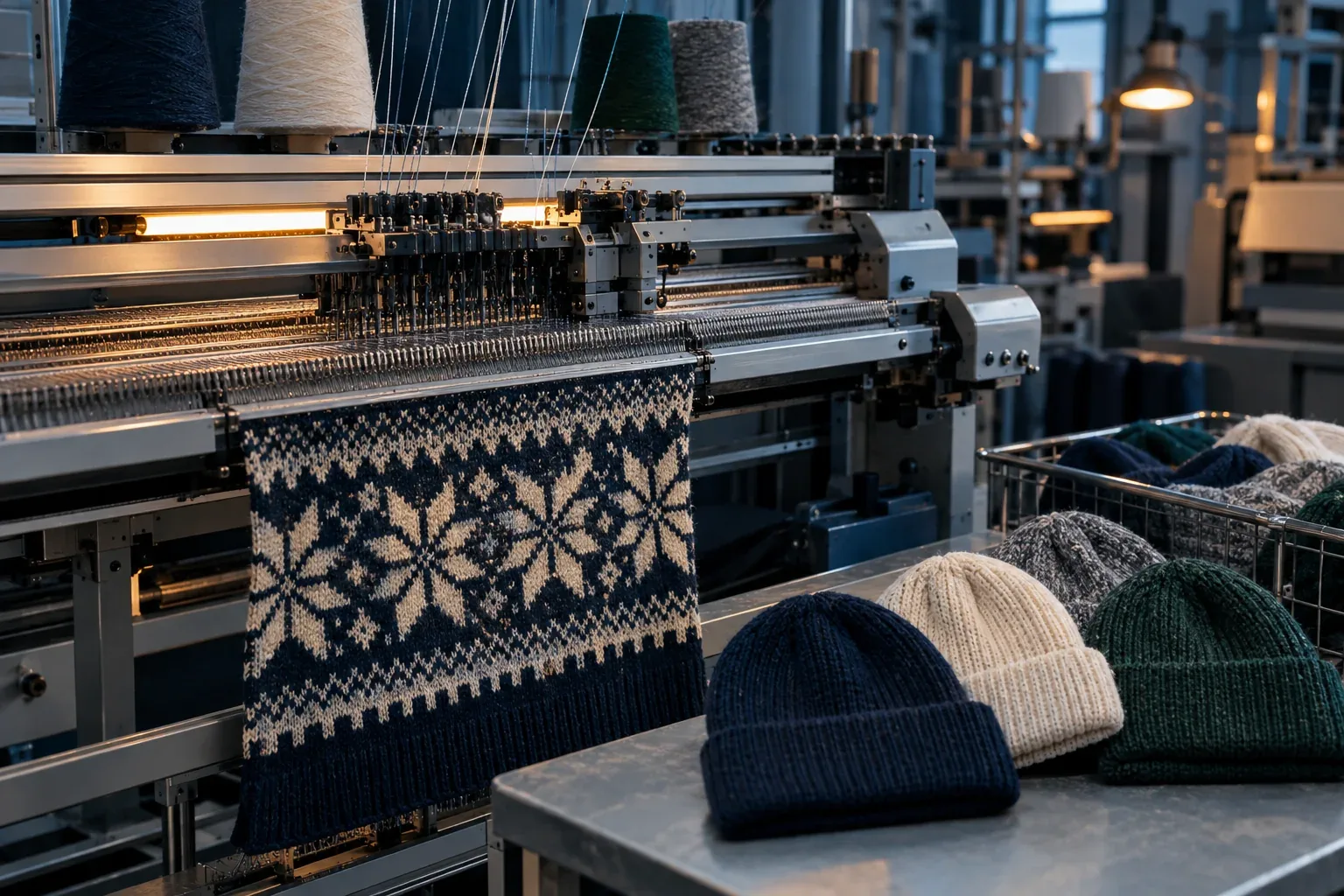
Your design knitted in 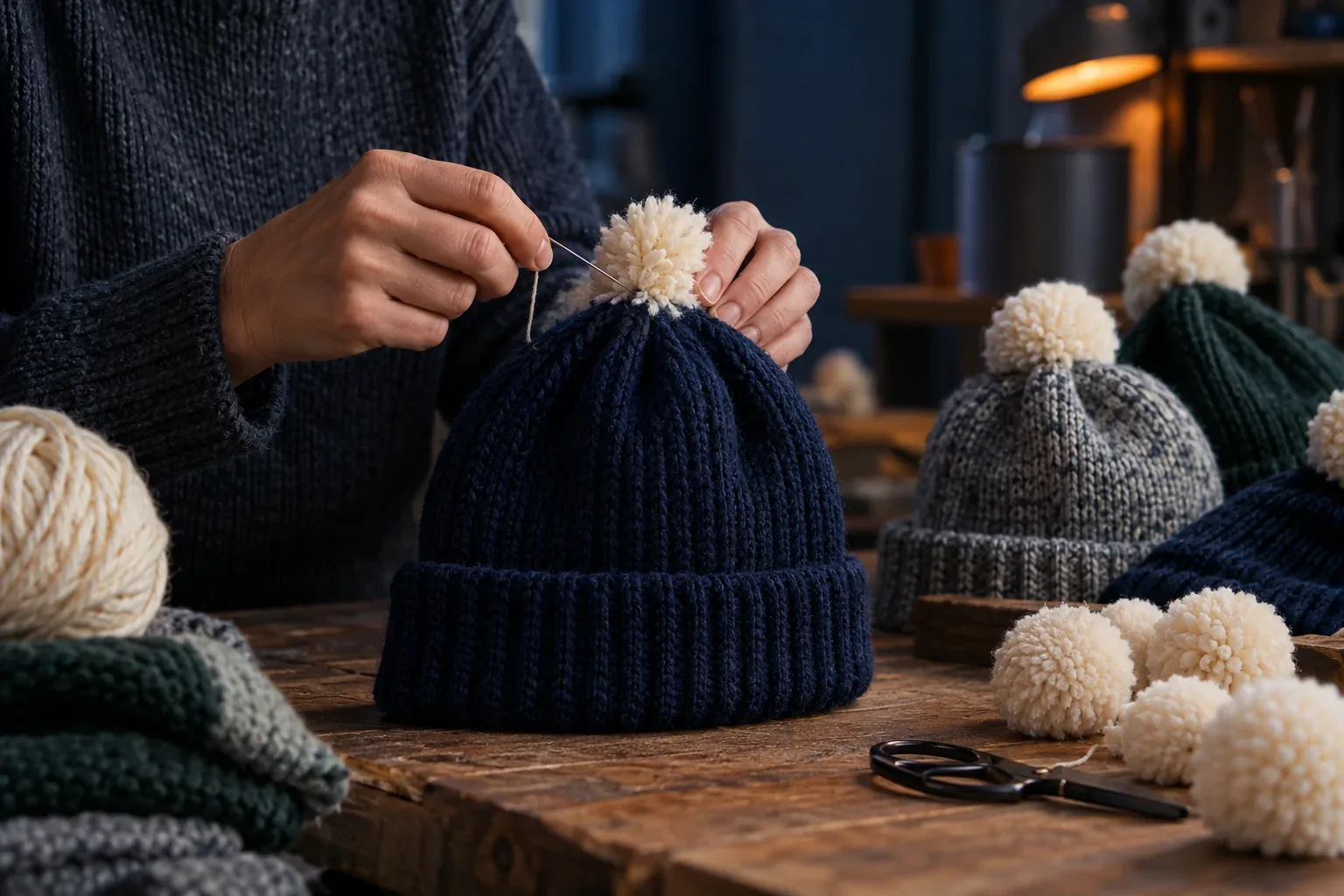
The pom-pom sewn on 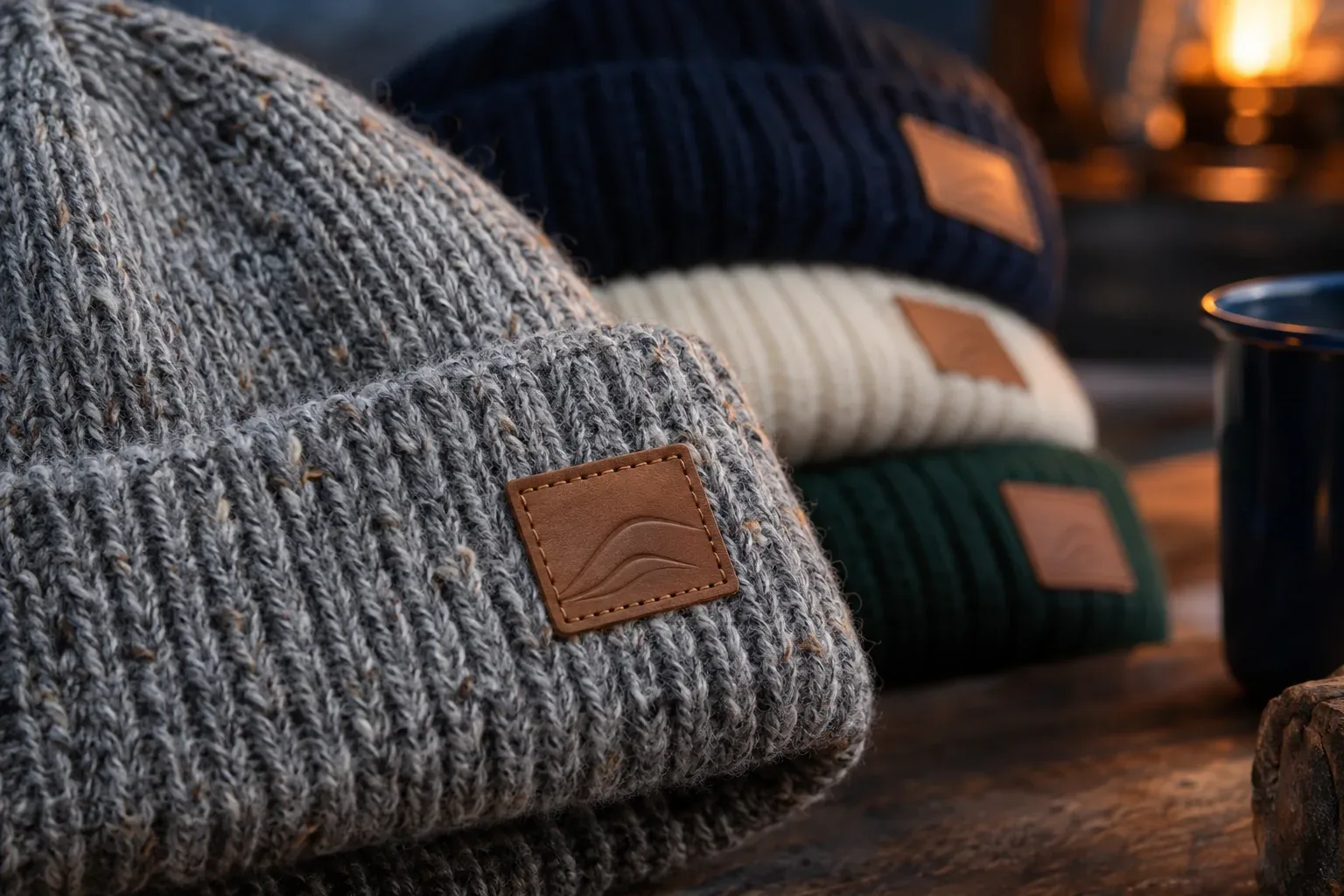
A leather patch on the cuff 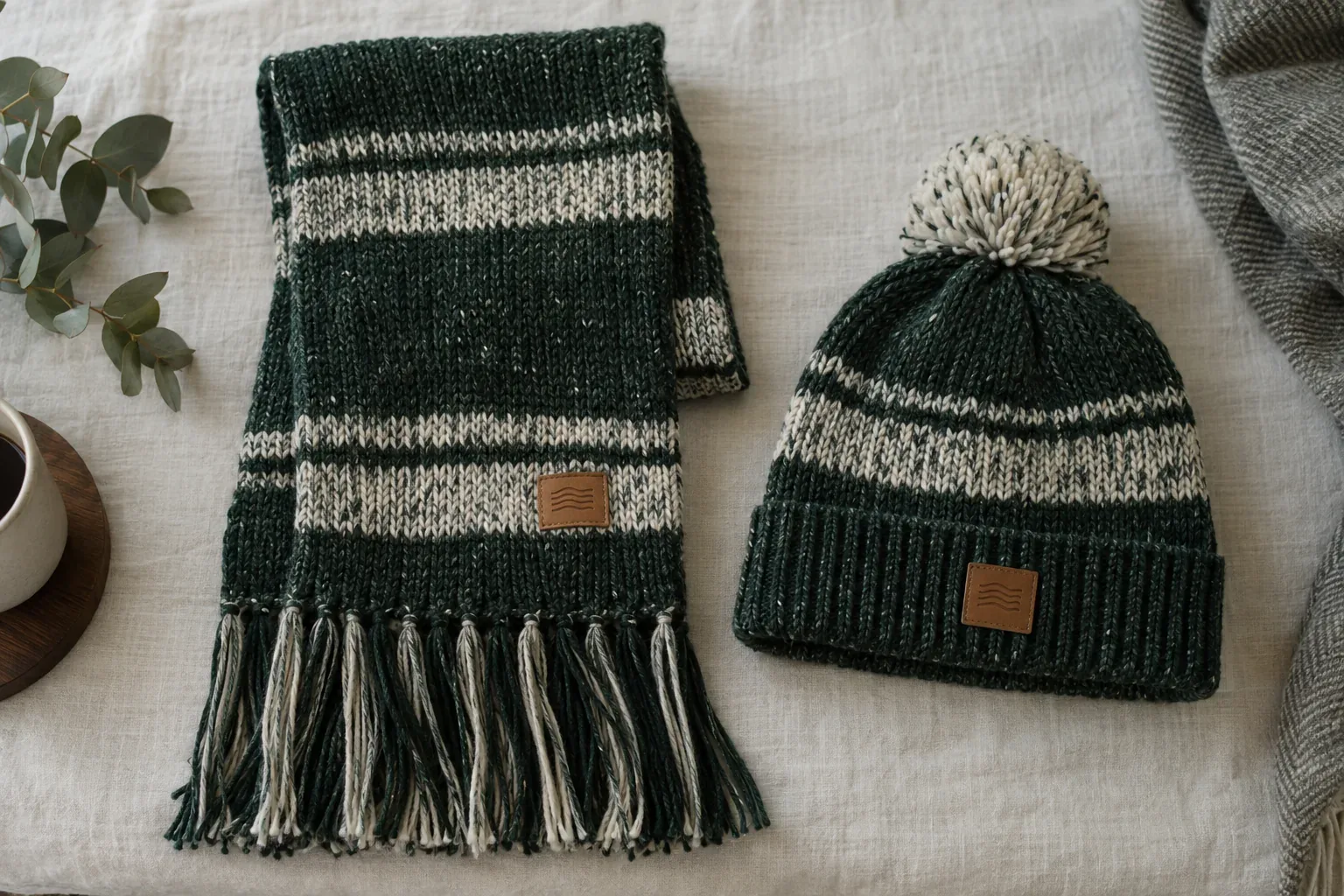
A matching scarf in the same yarn
At a glance
Custom beanies knitted to your design, for a shop that sells them
Most custom beanies with a logo are stock blanks with the logo embroidered or patched on. These are knitted to your design, in your yarn colours, for a gift shop that sells them to its visitors. We have had logo beanies with a pom-pom made in four colourways for a Christmas light attraction's gift shop, and knitted and plaid scarves with its leather-patch logo sewn on, signed off from photos of the yarn before production, with the patch reused from an earlier order. The beanies shipped with the season's lights.
Used for
- Beanies sold at retail in the gift shop of a Christmas light attraction, a zoo, a ski area, a museum or a stadium
- One design run for the season in several colourways, and the same design again the next winter
- Beanies and scarves in the same yarn and design, sold side by side as a set
Bought by
- Attractions and venues that run their own gift shop and sell goods under their own logo
- Retail and merchandise managers who buy the winter's stock months before opening
- Gift shop buyers who want their design knitted into the hat rather than a logo stitched onto a stock blank
Materials
- Acrylic or wool yarn, or either one blended with polyester
- Cotton if you ask for it, with the cotton's origin traced back to the bale before you commit
- A leather or faux-leather patch, debossed or printed, stitched to the cuff
- A pom-pom in yarn or faux fur
Options
- Cuffed or uncuffed, in a standard, slouch or fisherman shape, lined or unlined
- Your design knitted in as a jacquard, embroidered, carried on a patch, or a mix
- Yarn colours matched to the Pantone references you send, or picked from the factory's yarn card
- Woven brand labels, hang tags, and barcodes printed from the numbers you supply
- A matching scarf in the same yarn: knitted with your design, woven as a plaid, or plain with the patch
Packaging
- Bagged or bundled the way your shop stocks them, with your hang tags put on at the factory
- Cartons marked with the design, colourway, size and count, and a packing list for every carton
Beanies as part of a gift shop range
If the beanies are one item in a range of your own design, the gift shop merchandise guide covers carrying that design from the hats to throws, cups and plush, and ordering the whole range a season ahead.
Before you ask
What to specify: yarn, colours, the knitted design, cuff, pom and labels
These are the fields we ask you for. The factory quotes against them and knits the sample to them, so the more of them you fill in, the closer the first quote is to the real one.
Quantities
How many, for each design, colourway and size.
Style
Cuffed or uncuffed; standard, slouch or fisherman; with or without a pom-pom; lined or unlined, and the lining fabric.
Size
One adult size, or named adult sizes. Children's sizes are a separate question, asked before we quote.
Yarn
The fibre or blend (acrylic, wool, either with polyester, or cotton traced back to the bale), how fine or chunky, and the knit: plain, rib, waffle or cable.
Colours
Pantone references you send, or picks from the factory's yarn card, marled and heathered yarns included.
The knitted design
Your artwork as a vector file, where it sits (cuff, body, crown or all over), and the knit chart you check before the sample. The factory tells you how many colours your design can carry.
Whose marks
Your own logo, authorised in writing. A team, character or sponsor mark needs its owner's written approval before sampling.
Pom-pom
Yarn or faux fur, its colour, its size judged from the sample, and how it is sewn on.
Leather patch
Genuine, split or faux (PU) leather; colour, size and shape; debossed, engraved or printed; stitched on how many sides, and where; and whether a patch from an earlier order is reused.
Labels
The wording for the fibre content, the country of origin and your company name or RN number, and where each label is sewn, with woven brand labels if you want them.
Retail finish
Hang tag artwork, the barcode numbers you supply, bagged or bundled, and how many go in an inner pack.
Sample
A sample of each design and colourway, signed off in hand or from photos before the run.
Matching scarf
Knitted with your design, woven plaid, or plain with the patch; the same yarn and colours as the beanies; its length and fringe; and its own label with care instructions.
Cartons and delivery
Carton marks for design, colourway, size and count; the day the beanies must be in your shop; the address; and whether they travel with other goods.
Matching scarves: knitted, plaid or with a leather patch
Custom knit scarves in the same design and yarn colours sell beside the beanies as a set. A scarf can be knitted with your design in it, woven as a plaid, or knitted plain with your leather patch sewn on all four sides near one end, which is the simplest way to get custom scarves with your logo on them.
Order the scarves with the beanies, so the same yarn goes into both, and sign them off side by side. Before production you see photos of the yarn or the plaid, and a patch made for an earlier order can be reused.
A scarf's sewn label carries more than a beanie's: the fibre content, the country of origin and your company's name or RN number, and care instructions as well, which a hat does not need.
Price
What sets the price of a custom knit beanie
We do not publish a beanie price. It turns on the yarn, the design, the trim and how many you order of each design and colourway, so you get a landed cost, line by line.
The yarn
Acrylic, wool, a blend or cotton, and whether the knit is fine, standard or chunky.
The knitted design
How many colours your design carries, whether it runs all over the hat or sits in one band, and the knit chart drawn from your artwork.
Cuff, pom-pom and lining
A turned cuff, a yarn or faux-fur pom-pom and a fleece lining each add yarn or fabric and a step on the line.
Patch, labels and tags
A leather or faux-leather patch and how many sides it is stitched on, the woven and sewn labels, and the hang tags.
How many of each design and colourway
The machines are set up once for each design and colourway, so that setup is shared across every beanie in the run.
Landing at your shop
Ocean freight, the customs entry and duty, and delivery from the port, each priced on your order and set out on its own line.
Itemised on the quote, hidden in a unit price
- The sample, and any changes to it before you sign it off
- Tooling for a new leather patch, which a patch from an earlier order does not need again
- Hang tags, barcodes and retail packing, if you want the beanies ready for the shelf
- The customs entry, the broker's fees and delivery from the port
Timing
Work back from your season: sample first, then the run
We do not publish a production window for knit goods. Plan them the way a light show plans its lights: the quote in spring, the design and yarn signed off over the summer, and the goods shipped with the season's containers.
How the date is set
The date your design has to be signed off comes from the day the beanies have to be in your shop.
- Tell us the design, the quantity and the day the beanies have to be in your shop.
- We work back through the sample, the knitting, the trim and the crossing, and tell you the date the design has to be signed off.
- The landed quote follows, itemised line by line.
What goes wrong
Shelf-ready: labels, tags and the checks before the beanies ship
A beanie sold in your shop needs its own labels. We write the wording into the spec sheet (what the yarn is made of, where the beanie was made, and your company name or RN number) and send you a photo of the sewn label on the sample. As general information: the FTC's Textile Act leaves hats out, but a hat that contains wool comes under its Wool Act, and every imported item is marked with its country of origin. Your broker or counsel can confirm what your goods need.
Common failures
- Yarn colours that looked right on a screen and wrong once knitted, because the design was signed off from a mockup instead of a sample
- A beanie and a scarf knitted from different yarn lots, so the colours sit badly next to each other on the shelf
- Beanies that arrive without the labels the shop needs to sell them, and have to be relabelled by hand
- A design sent in after the summer, so the beanies reach the shop after the season has started
Buyer mistakes
- Asking for children's sizes after the quote, when they change what the order needs
- Sending a logo with fine detail that a knitted design cannot carry, before the factory has drawn a knit chart
- Putting a team, character or sponsor mark on the design without the owner's written permission
Inspection checklist
- Yarn colours checked against the signed-off sample
- The knitted design checked for alignment, and the size measured against the sample
- Pom-poms pulled to check they hold, and the patch stitching checked all round
- Labels and hang tags on every beanie, worded as you signed off
- Carton marks and counts checked, and photographs taken before the cartons are sealed

How it gets to you
- Shipped by sea from China in cartons, on their own or in the same shipment as the rest of your order
- Knit goods are light and pack small, so they often travel with other merchandise, or with a light attraction's season of lights
- A customs broker files the entry when the shipment lands
- Delivered from the port to your shop, warehouse or venue
Who carries duty, and what happens if the rate changes between quote and landing, is stated on every quote. How that works Add up a landed cost
What we do on an order like this
- We turn your artwork and colours into a spec sheet that the factory quotes and knits against.
- Before you commit, we ask the factory for the fibre content and the yarn supplier, and for cotton, where the cotton came from, back to the bale.
- Your logo goes on only with your written authorisation, and any other mark only with its owner's.
- We have a sample knitted and send it, or photos of it, for you to sign off before the run. Then we check the run against it before it is packed, and handle the paperwork that lands it.
Questions
Asked before ordering custom knit beanies
How much does it cost to make custom beanies?
That depends on the yarn, how many colours your design carries, the cuff, the pom-pom, the patch and labels, how many you order of each design and colourway, and the freight and customs entry. We do not publish a beanie price. The quote gives each of those its own line, and the landed cost calculator on this site adds them up.
Where can I get a custom knit beanie made?
There are two routes. A US decorator takes a stock blank and embroiders or patches your logo onto it, which suits a few dozen hats you need soon. A knitter knits your design into the beanie itself, in your yarn colours, which suits a season's run planned ahead. We run the second route with factories in China, for buyers who order a season ahead.
What are those knitted hats called?
Beanie is the usual word. The same hat is sold as a toque, a watch cap or a knit hat, cuffed or uncuffed, slouchy, short like a fisherman beanie, or with a pom-pom on top. We quote all of them knitted to order.
Can you put a leather patch on a beanie?
Yes. The patch is stitched to the cuff, in leather or faux leather, with your logo debossed or printed on it. If a patch was made for an earlier order, the factory can match it, and you see a photo of the new patch beside the old one before the run.
Is the design knitted in or embroidered?
Either, or both. A knitted design is part of the fabric and suits bold shapes and blocks of colour. Embroidery suits a small logo with fine lines, and a leather patch carries a logo cleanly on any yarn colour. Plenty of gift shop beanies mix a knitted pattern with a patch on the cuff.
Can I design my own beanie?
Yes. Send your artwork and colours, and the factory turns them into a knit chart for you to check before anything is knitted. Then it knits a sample in your yarns, and you sign off that sample, or photos of it, before the run starts.
Is there a minimum order?
The machines are set up for each design and colourway, so a knitted beanie suits a season's run rather than a handful of hats, and the quote states the quantity it is based on. If you need a few dozen by next week, a decorator working on stock blanks is a better fit.
Can the beanies match our scarves?
Yes. Order them together, so the same yarn goes into both, and sign off the beanie and the scarf side by side. A scarf and a beanie can come out slightly different even in the same yarn, because they are knitted differently, which is why we ask for both in the sample.
Can the beanies come with hang tags and barcodes, ready for the shelf?
Yes. Send your hang tag artwork and your own barcode numbers with the order, and the factory prints the tags and puts them on. The beanies are bagged or bundled the way your shop stocks them, and each carton is marked with the design, colourway and size.
Can you make children's sizes?
Only as a children's product, which carries its own US requirements: a test report from a CPSC-accepted lab on the exact item, a Children's Product Certificate from whoever imports it, and tracking labels sewn in. Tell us before we quote. If there is no report, we do not go ahead. Adult sizes are what we quote unless you ask.
When should we order for the winter season?
For a winter opening, ask for the quote in spring and sign off the design over the summer. The sample comes first, then the knitting, the trim, the packing and the sea crossing. Tell us the day the beanies have to be in your shop, and we work back to the date your design has to be signed off.
Can a scarf carry a leather patch?
Yes. A plain knit scarf can carry the same patch as the beanies, sewn on all four sides near one end. Tell us whether the patch is genuine, split or faux leather. If you already have a patch from an earlier order, the factory can match it.
What goes on a scarf's label?
More than on a beanie. Under the FTC's labelling rules a scarf's sewn label gives the fibre content, the country of origin and the name or RN number of the company that imports or sells it, and a scarf also needs care instructions, which a hat does not. A wool scarf comes under the Wool Act as well. This is general information, and your broker or counsel can confirm what your goods need.
In the same category
Related products
Custom merchandise for attractions and venues
What an attraction or venue can have made for its own gift shop, to its own design.
See custom merchandise
Commercial Christmas lights and displays
For a Christmas light attraction, the gift shop's beanies and scarves can ship with the season's lights: bulbs, displays, arches and tunnels, quoted landed.
See the lights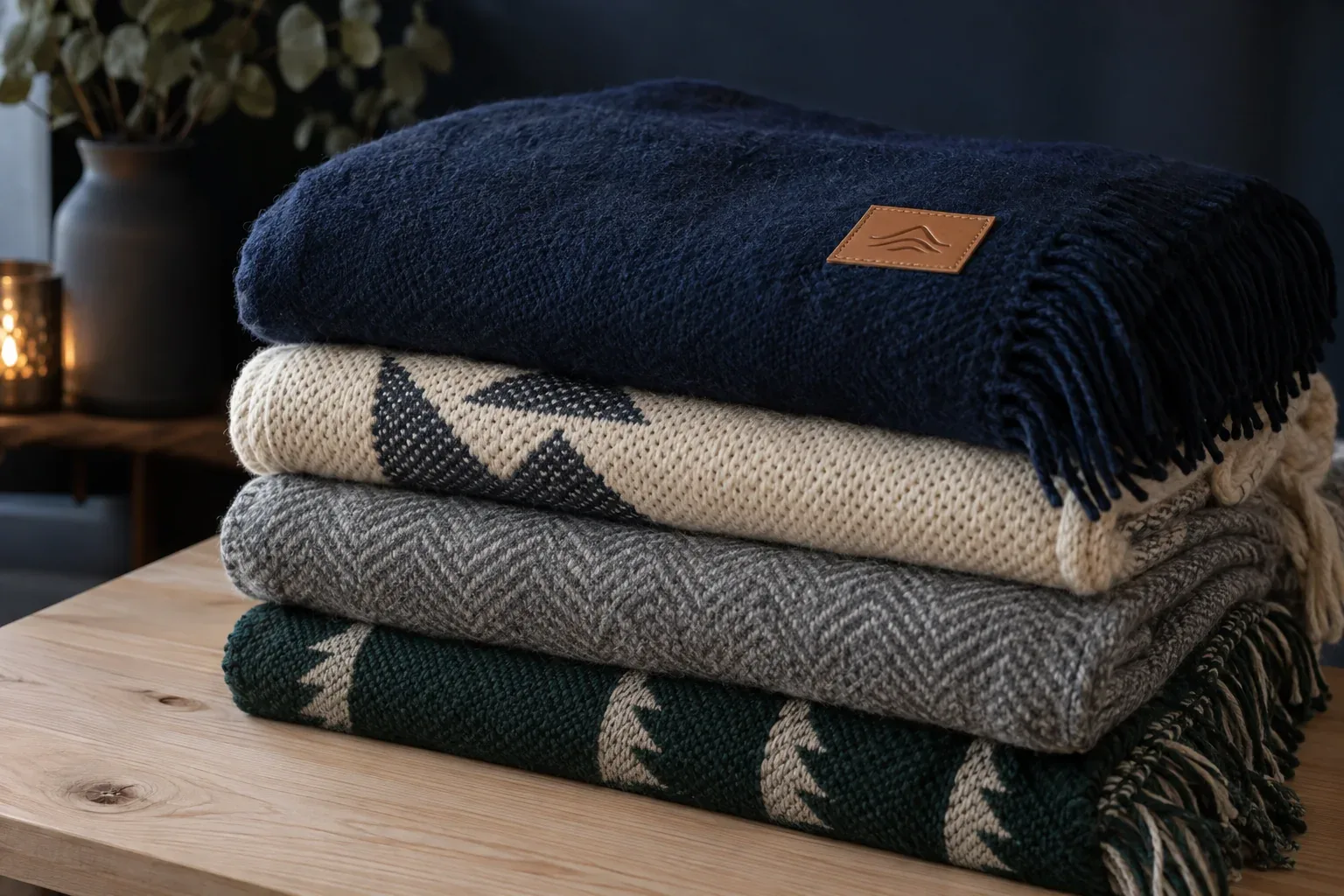
Custom logo blankets
Throws with your logo or design for the gift shop of an attraction or venue: knitted or woven into the blanket as a jacquard, or carried on a leather patch sewn onto a soft fleece throw, with your own sewn labels. You approve a sample before the run, and the order is planned back from the day the blankets have to be on your shelves.
See the logo blankets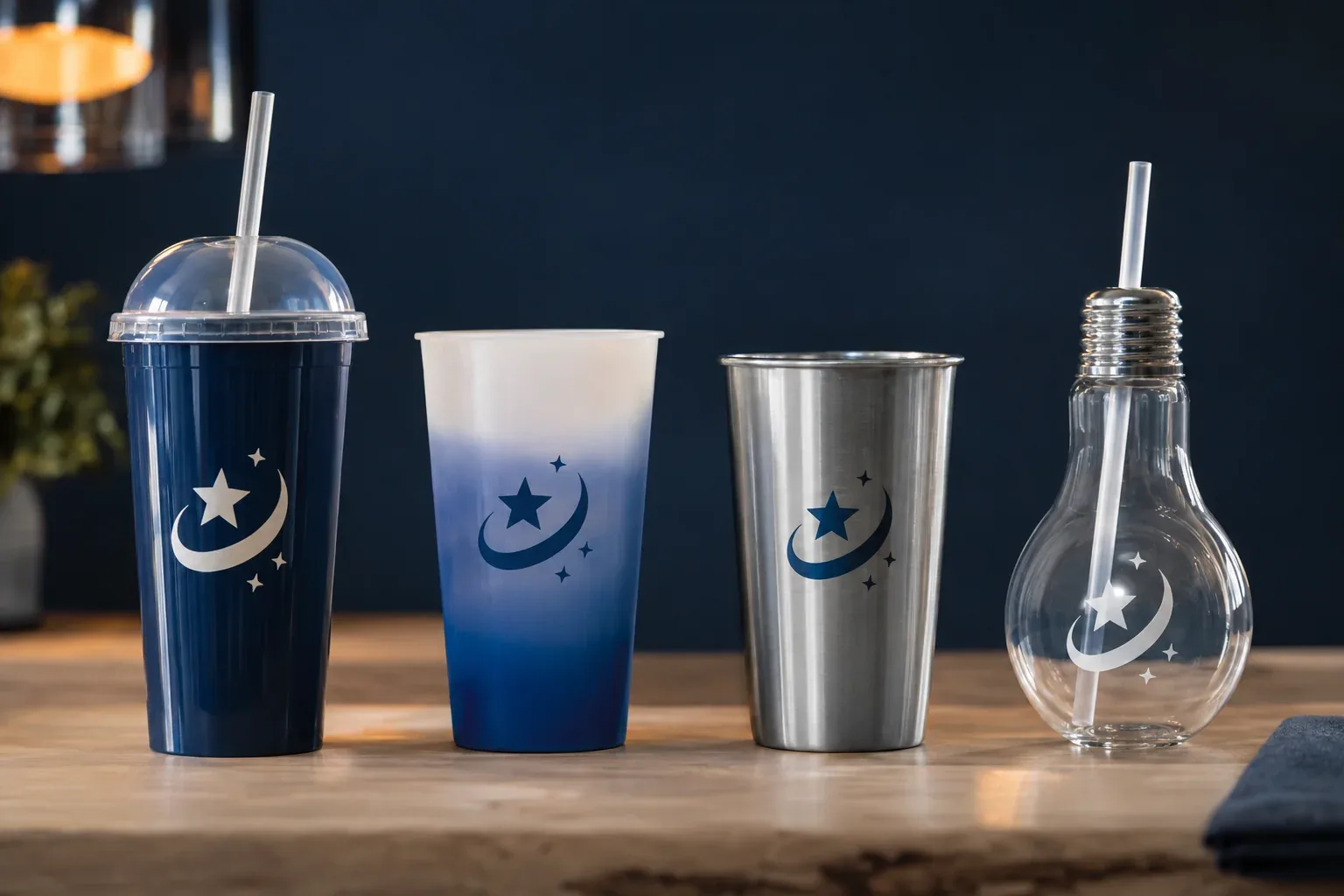
Custom souvenir cups
Souvenir cups in your own design for an attraction's gift shop or concession stand: stadium-style cups with lids and straws, colour-changing cups, one-piece aluminium cups and bottles, and light-bulb cups with a silver cap. Every part's material is named before you commit, each cup is marked with where it was made, and the order is planned back from your season's first day.
See the souvenir cups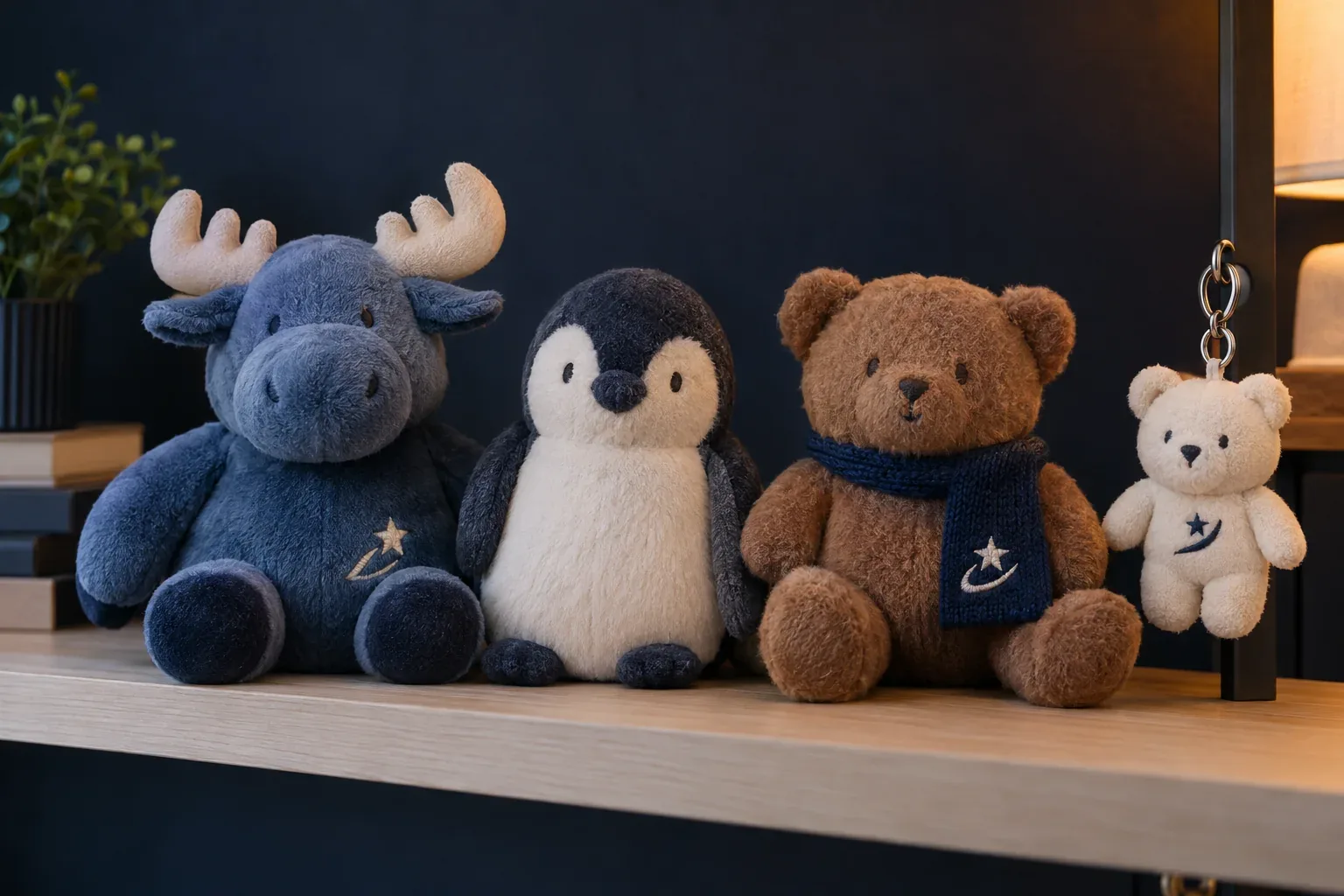
Custom plush toys
Your mascot or your animal as a plush, made to your design for an attraction's gift shop, or a plush animal wearing your logo on its shirt or scarf. Each piece carries sewn labels, including "Made in China", a sample from the run goes to a lab before the order ships, and the order is planned back from the day the plush has to be on your shelves.
See the custom plush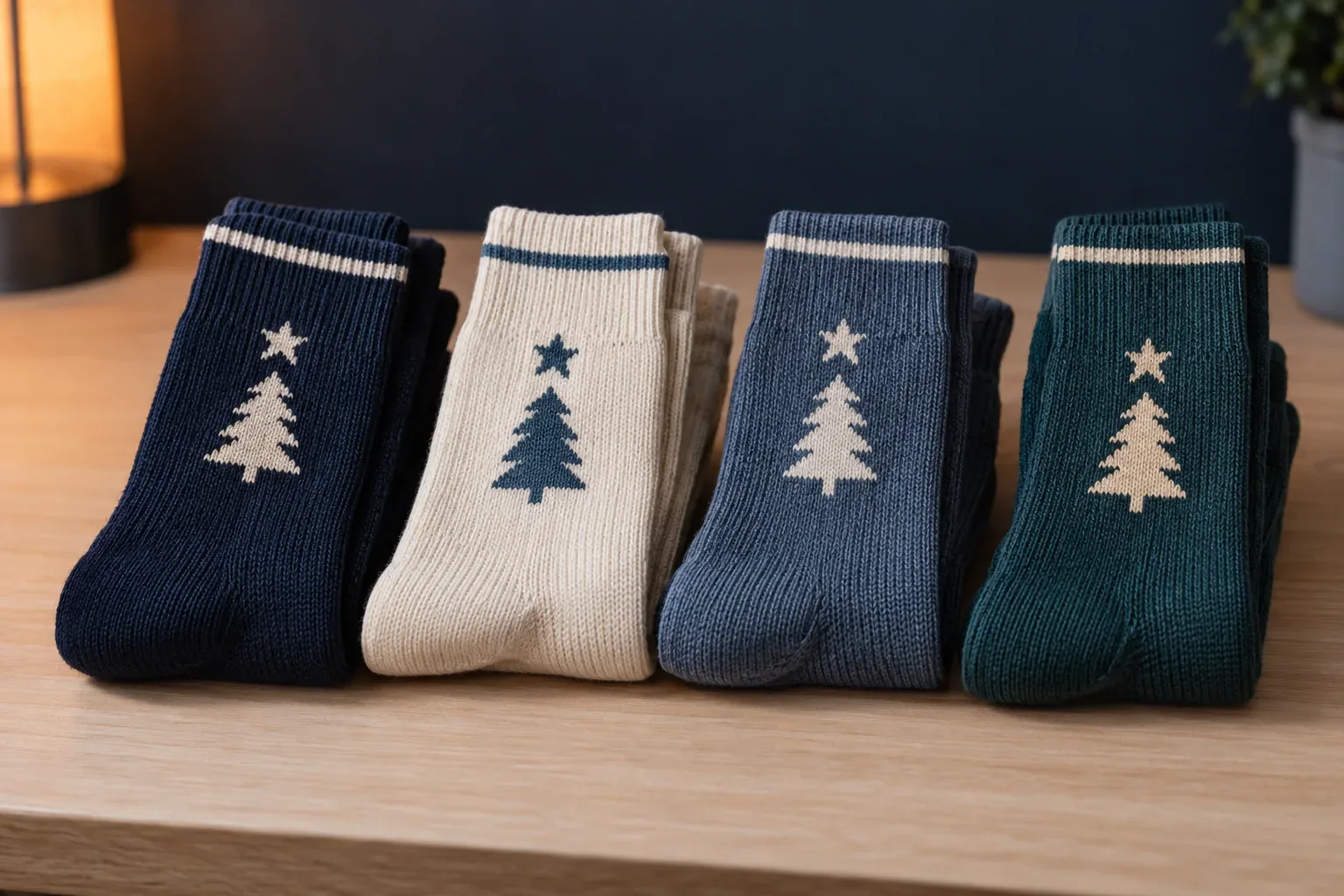
Custom socks
Socks in your own design for an attraction's gift shop: your logo or pattern knitted in or printed, on crew, quarter, ankle or knee-high socks in your yarn colours. Each pair carries its fibre content and "Made in China" on the sock or its pack, and the order is planned back from the day the socks have to be on your shelves.
See the custom socks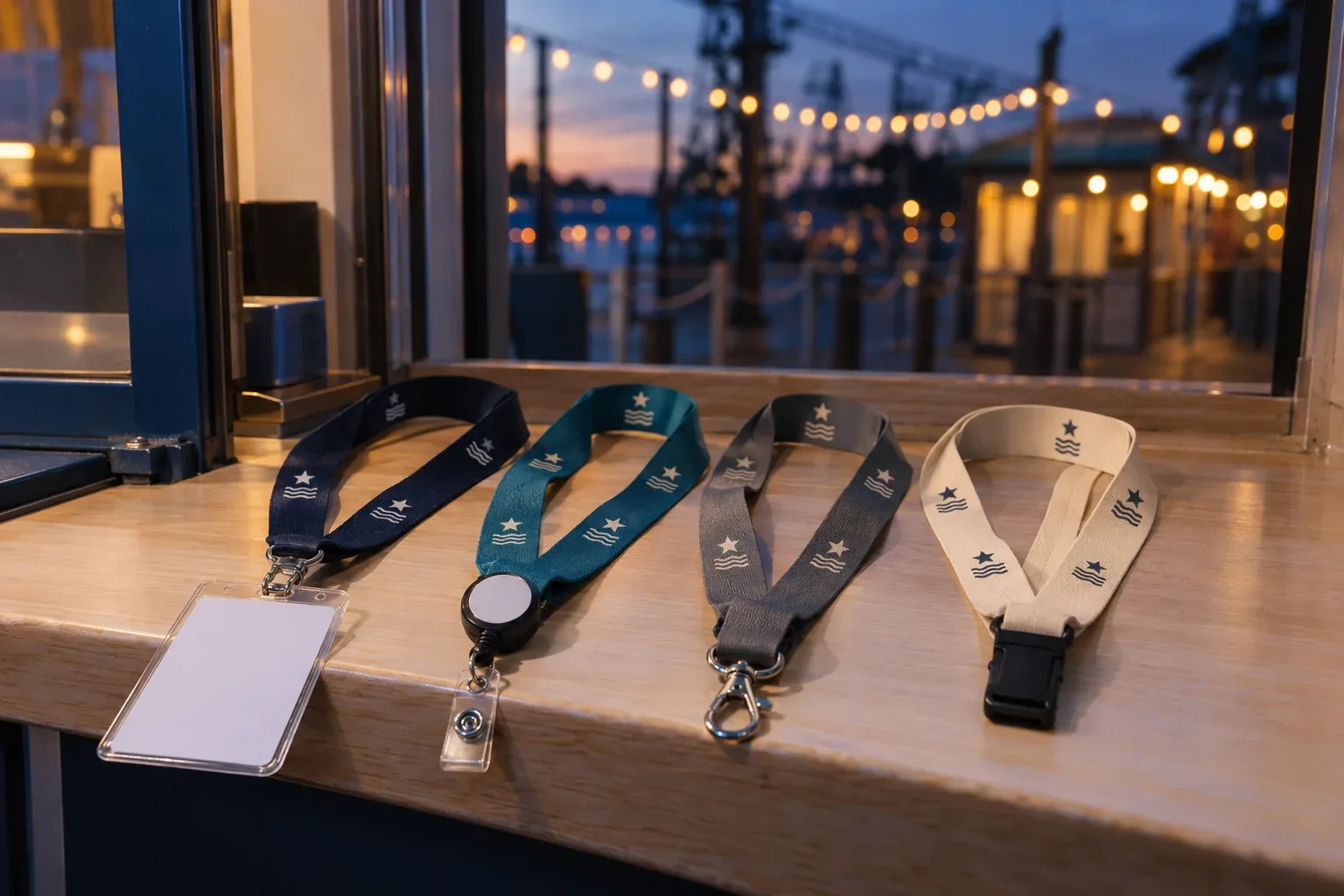
Custom lanyards
Season-pass, staff and souvenir lanyards in your design for an attraction or venue: your logo printed or woven in, a breakaway clasp if you want one, and the card holder, reel or clip attached before they ship. Every lanyard is quoted made up and landed at your door, and the order is planned back from the day your season opens.
See the custom lanyardsSomething else?
Send it as a sourcing request. Tell us what it is, the quantity and the date, and we will say whether we can get it made, and by when.
Send a requestRequest a quote
A landed quote for your gift shop's beanies
Tell us the quantity, the destination and when you need it on site. We return a landed cost that itemises the goods, ocean freight, the customs entry, duty at the line we file under, and delivery.
- Reply within 1 business day
- Landed cost, itemised
We take on the orders we can do well, and we will say so if yours isn't one of them.