Wholesale event supplies
Commercial party and event tents
for rental companies
Frame tents for rental companies, venues and event firms: a galvanized steel frame with no centre poles, under a white PVC top, with sidewalls to order. We have several made to one spec sheet and shipped by the container, and the test paperwork for the exact fabric is agreed with you before you commit. Send the footprints, the style and how many, and we come back with the date and the landed quote.
- Reply within 1 business day
- Landed cost, itemised
- Trading since 2020
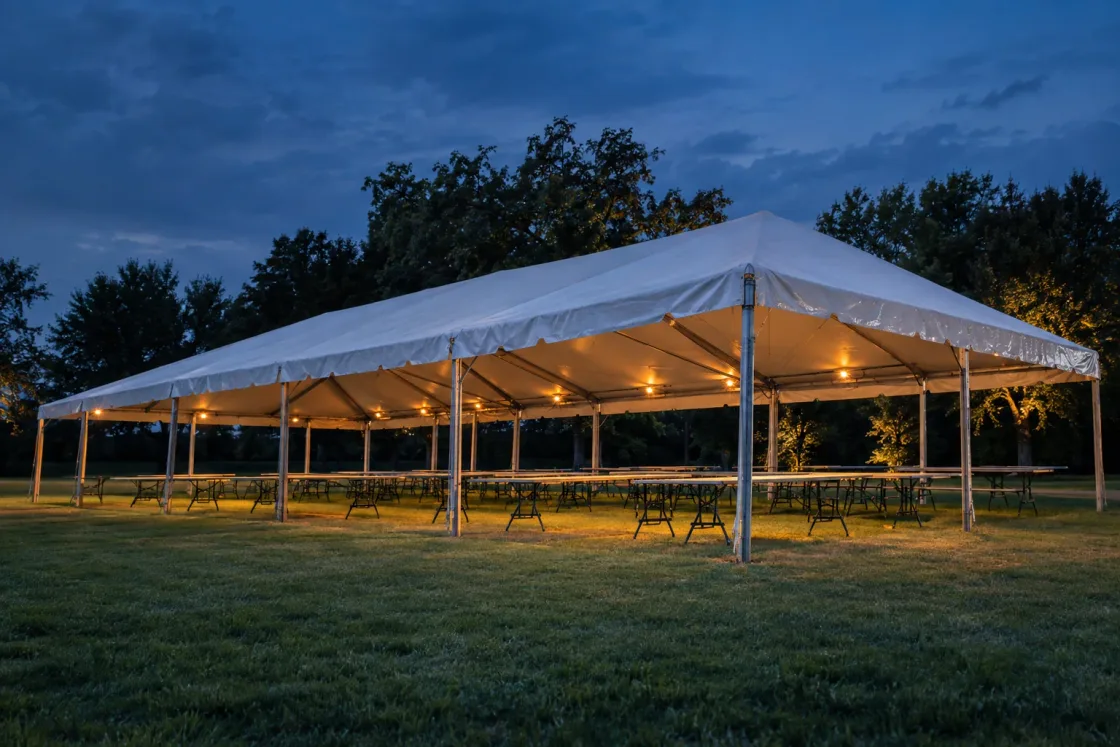
- Galvanized steel frame
- White PVC top and sidewalls
- No centre poles
- Fire paperwork agreed first
From the frame to the container
How a party tent is made and packed
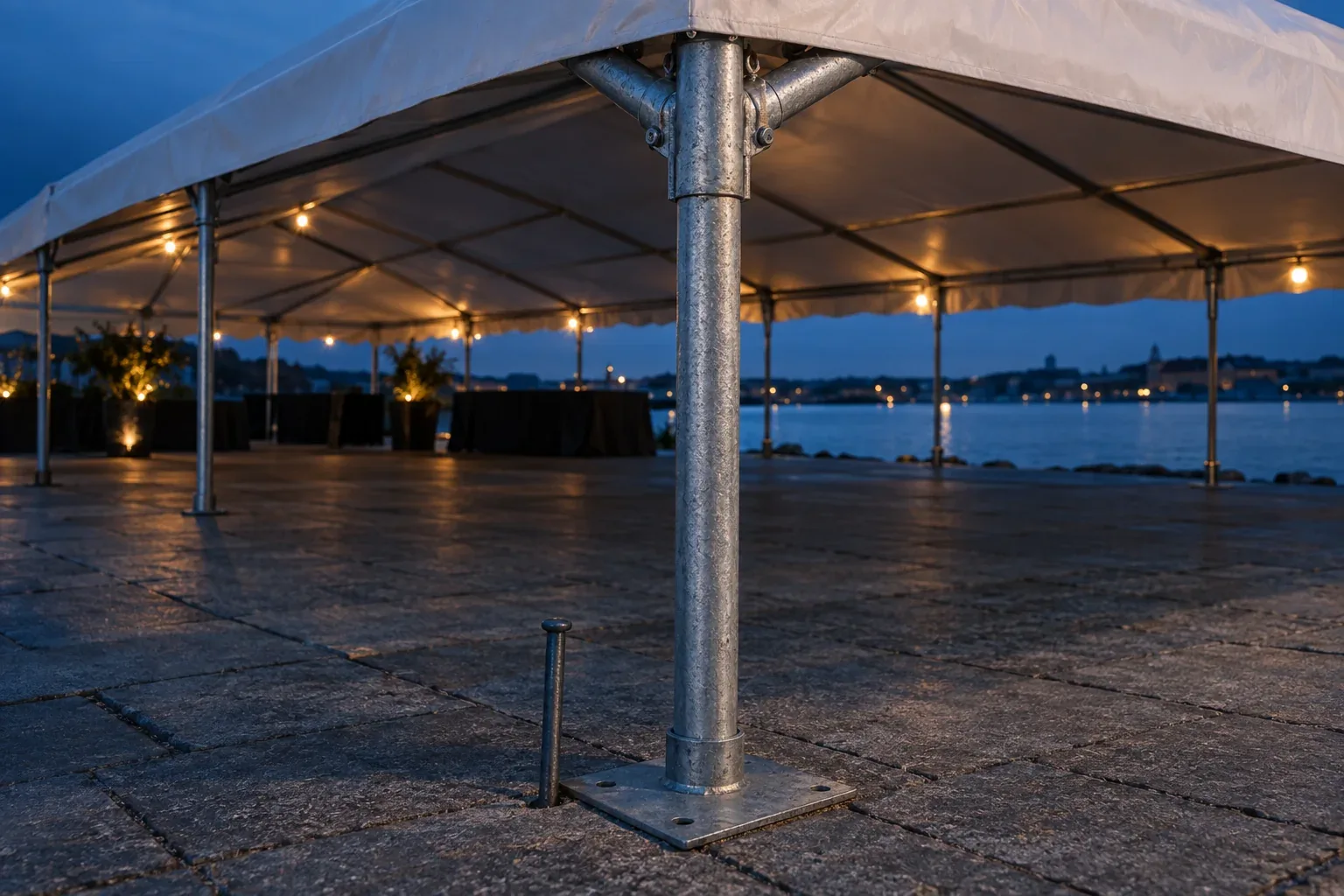
A galvanized fitting and base plate 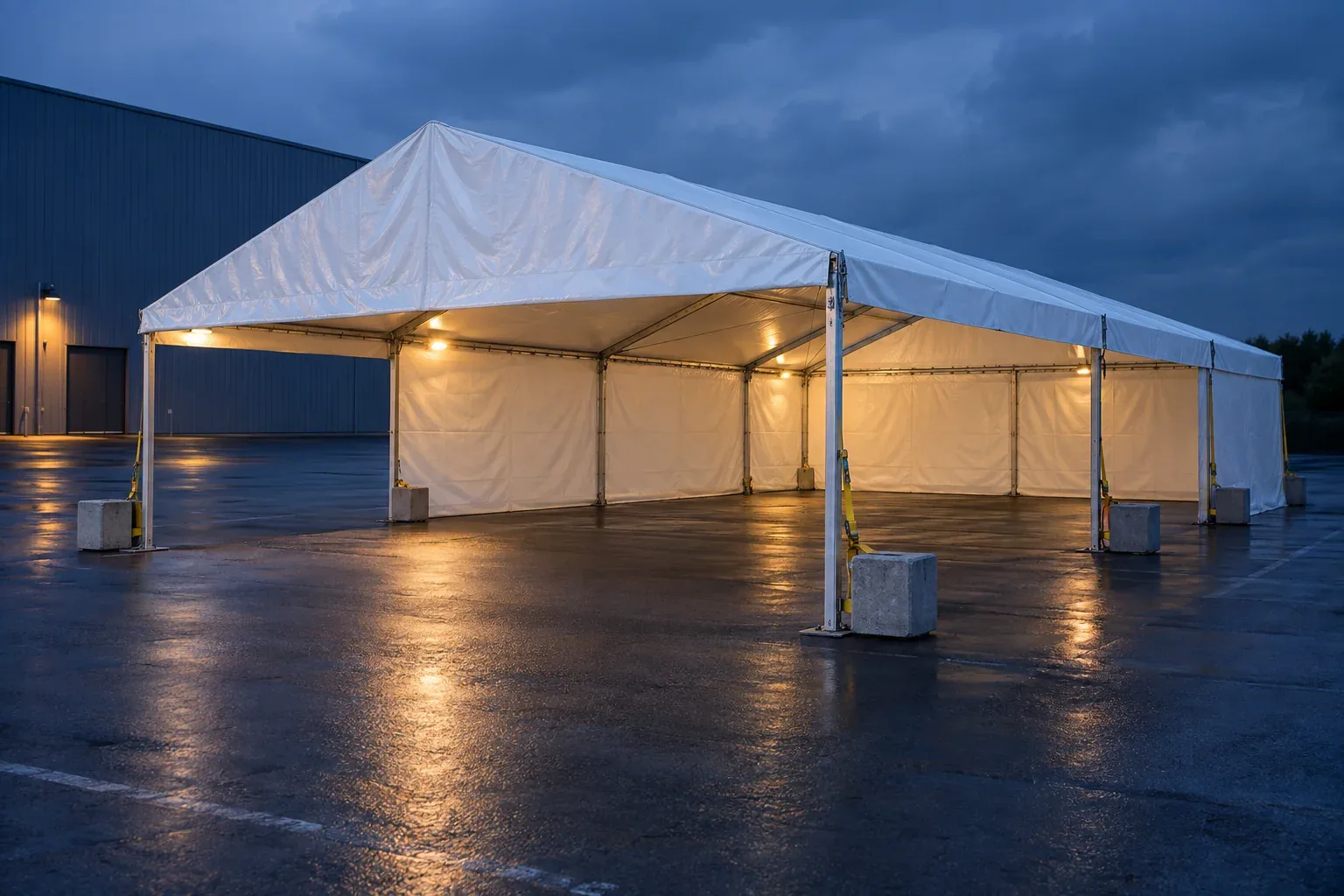
On a hard surface, held with ballast 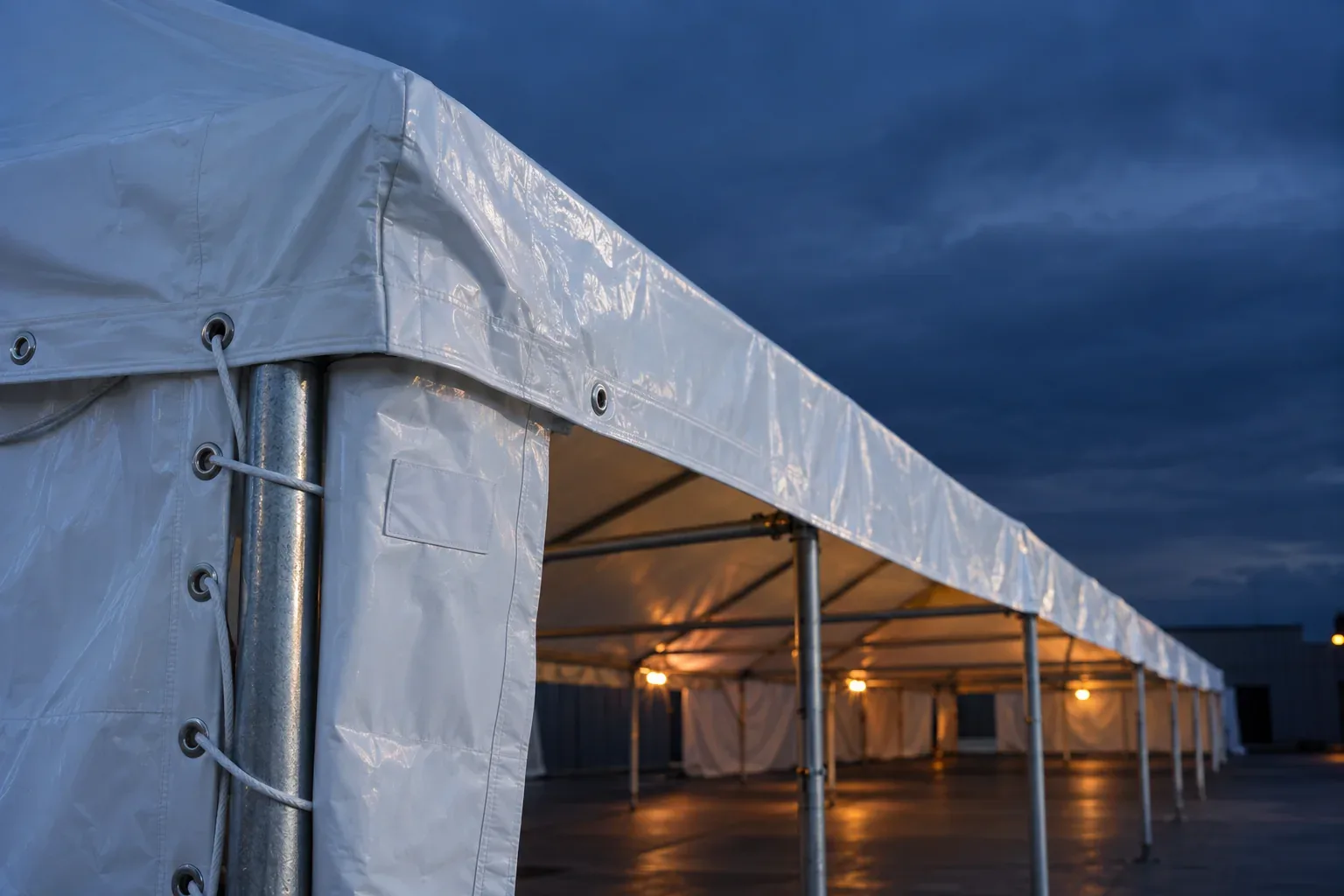
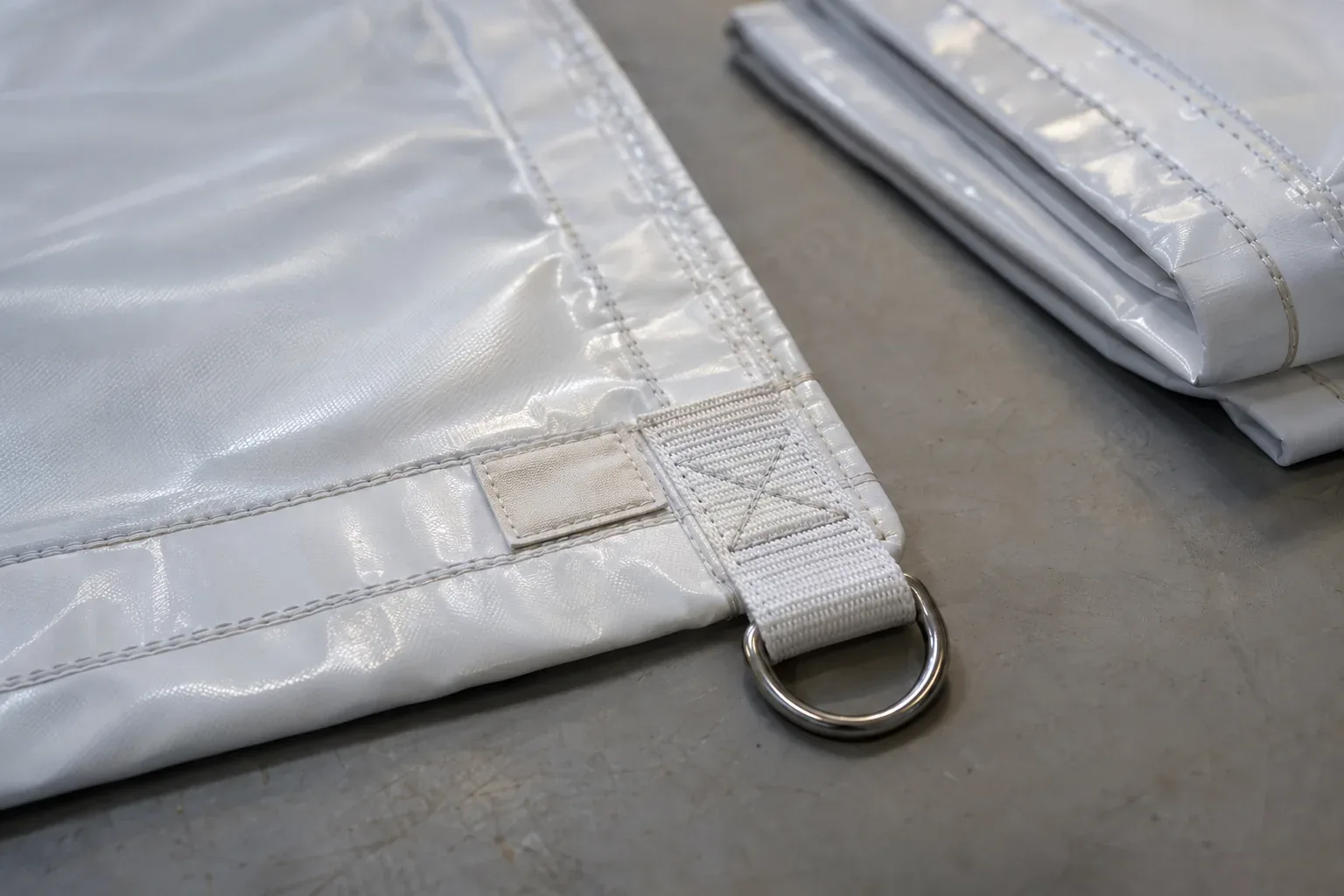
Welded seams and a label patch 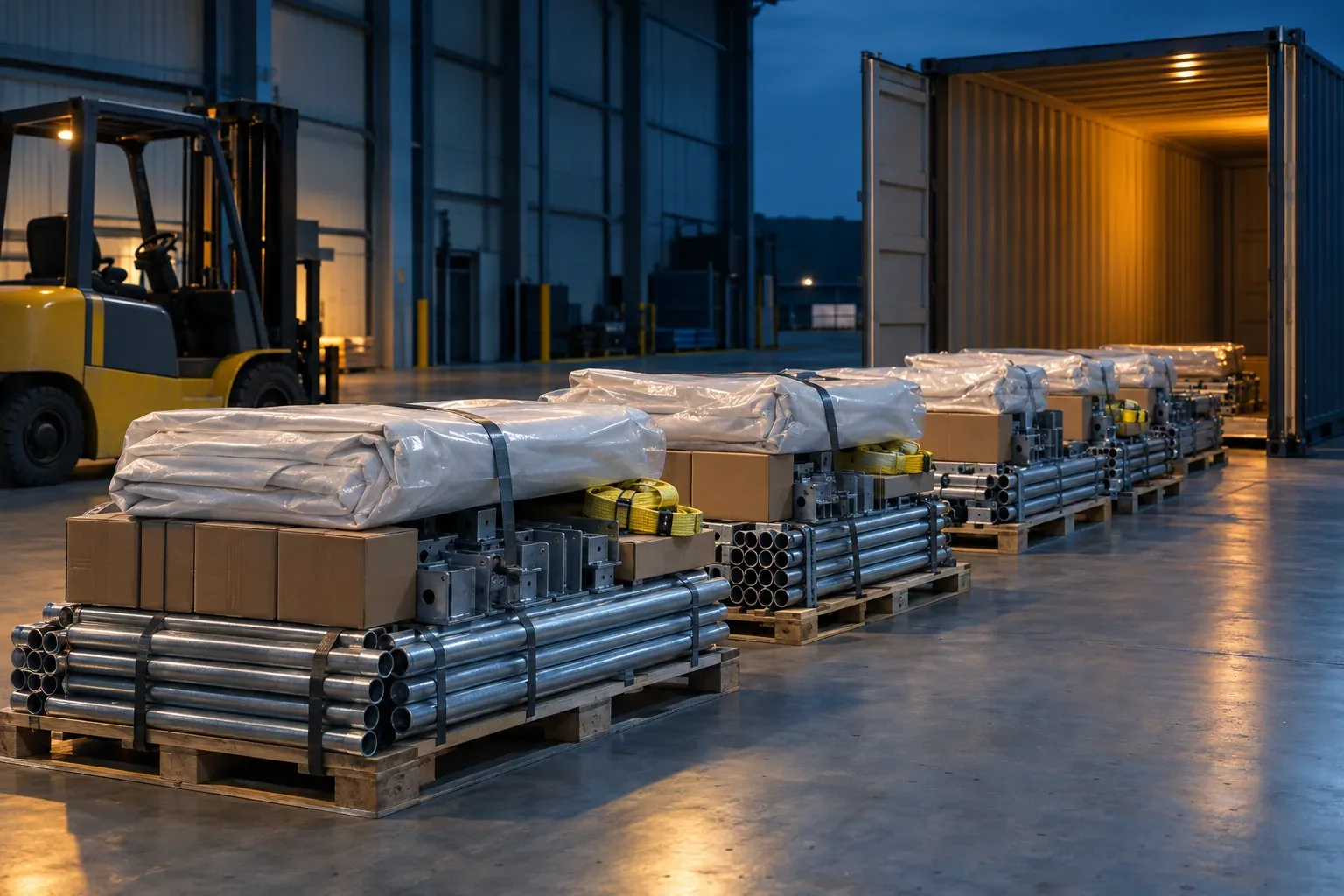
Packed as one set per tent 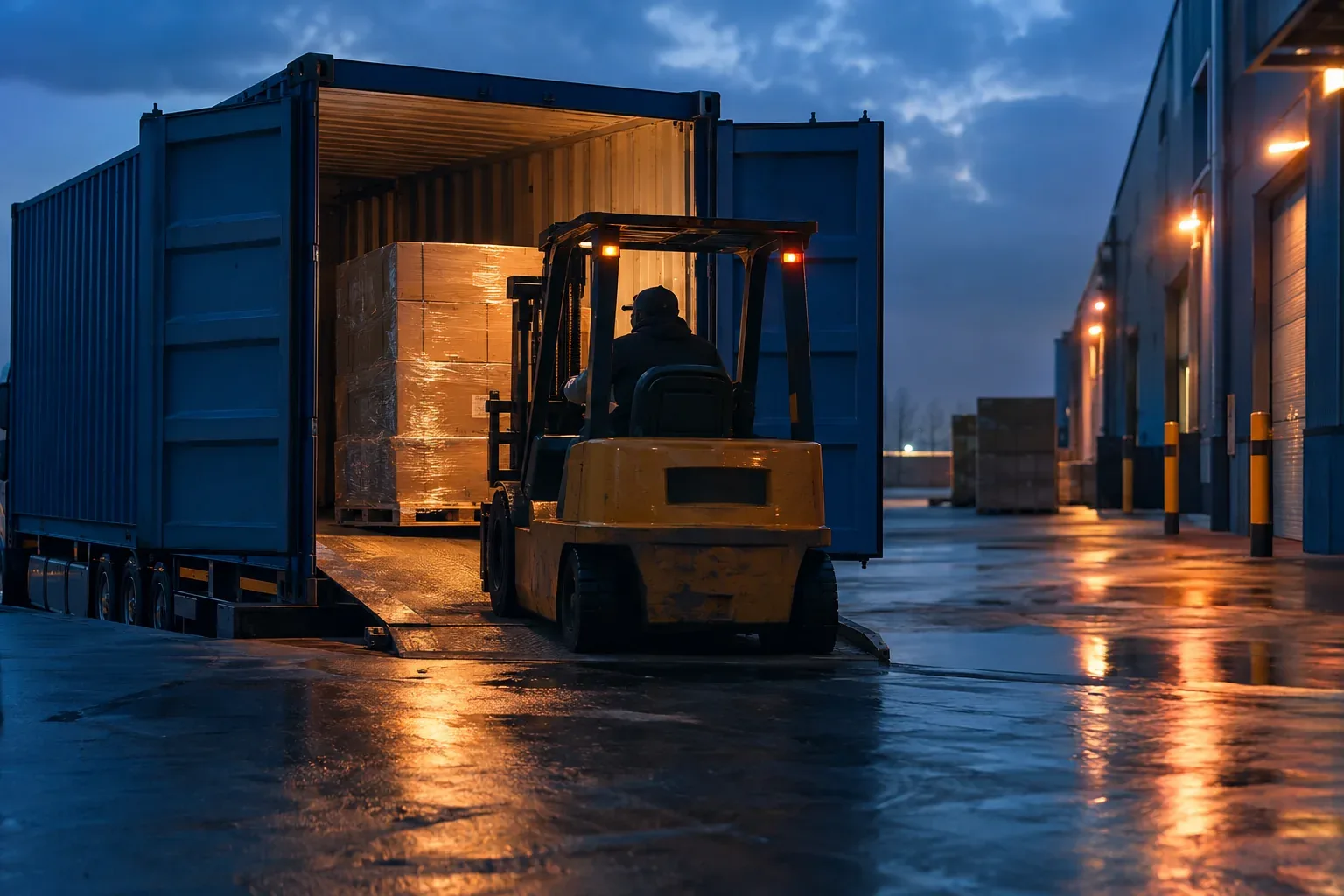
Loaded by the container
At a glance
Frame tents: a galvanized steel frame, a PVC top, no centre poles
Used for
- Party tents for a rental fleet, booked out weekend after weekend for backyard parties, graduations and company picnics
- Event tents for festivals, fairs, markets and sports days
- Wedding tents for a venue's lawn or a rental company's wedding season
- Covered space a venue puts up for its own season and stores over the winter
Bought by
- Party and tent rental companies adding to a fleet or replacing worn tops
- Venues, wineries and hotels that put up their own tents each season
- Event companies and production fleets
Materials
- A frame of galvanized steel tube: legs, rafters and fittings, with no centre poles
- A white PVC-coated polyester top, blockout or translucent, with a valance along the eaves
- Sidewalls in the same kind of fabric: solid, with windows, or mesh
Options
- A standard or high peak roof, with a hip end or a gable end
- Hot-dip galvanized, or galvanized with a powder coat in your colour
- The sidewalls, their doors and how they hang from the frame
- Base plates, stakes, ratchet straps and the ballast method for hard surfaces
- A permanent label on every top and sidewall giving its size and fabric type
Packaging
- Each tent packed as its own labelled set: the frame bundled, fittings and base plates boxed, the top and sidewalls folded and bagged, the anchoring kit with them
- A packing list and an assembly drawing for every model, and a spare parts list, so a fitting or a top panel can be ordered again
For a new rental business
If you are building a rental fleet from scratch, the guide sets out what to buy first and when a US stockist suits better than a factory order.
The fire paperwork in full
A fire code official can ask for three papers on the fabric of a tent, and what each one has to say changes with the edition of the code. The guide covers who signs each paper, what goes on the label, how replacement tops are covered, and why California asks for a registration instead.
Sizes, guests and exits
How many guests a tent takes depends on the layout and on the fire code your area adopts, not on the tent. The guide works the arithmetic through, with the exits and the permit lines that follow.
Before you ask
The spec sheet for a fleet of event tents
Every tent in an order is built to one sheet. These are the fields we ask you to fill; the factory draws its tents against them, and the quote form asks for the same things.
Tents and quantities
How many tents, of which footprints, width by length, and whether sections have to join to make larger tents.
Style
Frame tent, a standard or high peak roof, a hip end or a gable end, and the leg height.
Frame
The steel tube's outside diameter and wall; hot-dip galvanized, or galvanized with a powder coat in your colour; the fittings and base plates.
Top
PVC-coated polyester at the weight you name, blockout or translucent, its colour, one piece or sectional, welded seams, how it fastens to the frame, and any printing on the valance.
Sidewalls
Solid, window or mesh; their height; how they attach; doors or zips; the same fabric as the top or not.
Flame test report
A lab test report to NFPA 701 on the exact top and sidewall fabric, and any liner, showing the lab, the fabric code and the date. For California, the fabric checked against the State Fire Marshal's list.
Label
A permanent label on each top and sidewall giving its size and fabric type, anything else you want on it, and where it goes.
Treatment details
For the affidavit: who treated the fabric, when and with what, or the mill's statement that it needs no treatment; the testing lab and the test standard.
Anchoring kit
Stakes, ratchet straps and base plates, and the ballast method you use on hard surfaces.
Fit to your fleet
If the tops have to fit frames you own: the frame's measurements, photos of a corner and a fitting, or an old top; nothing is cut until you approve the factory's drawing.
Packing and spares
Each tent packed as a set, a packing list and assembly drawing for each model, and the spares you want: fittings, top panels, a repair kit.
Delivery and date
The port or warehouse address, whether there is a forklift or a dock, and when you need the tents. The quote works back from that date.
Price
What sets the price of a commercial party tent
We do not publish a price per tent. A fleet order turns on the footprint, the steel and the fabric, how many tents there are and where they land, so you get a landed cost, line by line.
The footprint and the style
A wider, longer tent needs more steel and more fabric, and a high peak or a hip end adds parts. Sections that join into a bigger tent add fittings.
Tube and finish
The steel tube's outside diameter and wall, and whether the zinc is left bare or powder coated over in your colour.
Top and sidewalls
The weight of the PVC fabric, blockout or translucent, one piece or sectional, how many sidewalls and of what kind, and any printing on the valance.
How many tents
One production run to one spec sheet spreads the setup and the ocean freight across every tent in the order.
Landing at your yard
Inland freight to the port in China, ocean freight, the customs entry, the broker, and trucking from the port are priced on your exact tents, each on its own line.
Itemised on the quote, hidden in a unit price
- Trucking from the factory to the port in China
- The customs entry and the broker's fees
- Drayage from the port, and a forklift or a dock to unload the pallets
- Spare fittings, top panels and a repair kit, if you want them shipped with the fleet
Timing
The date is set on your order
We do not publish a production window in this category. It depends on the configuration you ask for, so the date comes with the first reply, and the calendar for your order is built from that date and the ocean transit on your lane.
How the date is set
We build these to the specification you send, so the first reply confirms the specification and the date.
- Tell us the specification, the quantity and the date you need them.
- We confirm the specification and the production date with the factory.
- The landed quote follows, itemised line by line.
What goes wrong
What the fire marshal can ask for, and what we check before shipping
A fire code official can ask for a lab test report on the tent fabric to NFPA 701, a label on each tent and an affidavit about how the fabric was treated. The test paperwork for your order is discussed and agreed with you before you commit, and the label goes in the spec sheet.
Common failures
- A top that arrives with no flame test report for its fabric, so there is nothing to show the fire code official
- Fittings from one tent packed with another, so a crew is a corner short on site
- New tops cut to a catalogue size that does not quite match the frames already in the fleet
- Tops packed away damp at the end of a season, which leaves mould on the fabric
Buyer mistakes
- Taking a listing's word on fire safety, when an official can ask for a lab test report on the actual fabric
- Ordering tops before measuring the frames they have to fit, or before seeing the factory's drawing
- Leaving the anchoring to the day of the event: stakes need soil, and a hard surface needs ballast
Inspection checklist
- The tube and the zinc checked against the spec, and the fittings and base plates counted for each tent
- Top and sidewall seams looked over, with the grommets, straps and zips that fasten them
- A label on every top and sidewall, giving its size and fabric type
- The fabric code on the flame test report matched to the rolls used
- One tent put up at the factory where the order calls for it, and photographs before the container is sealed
How it gets to you
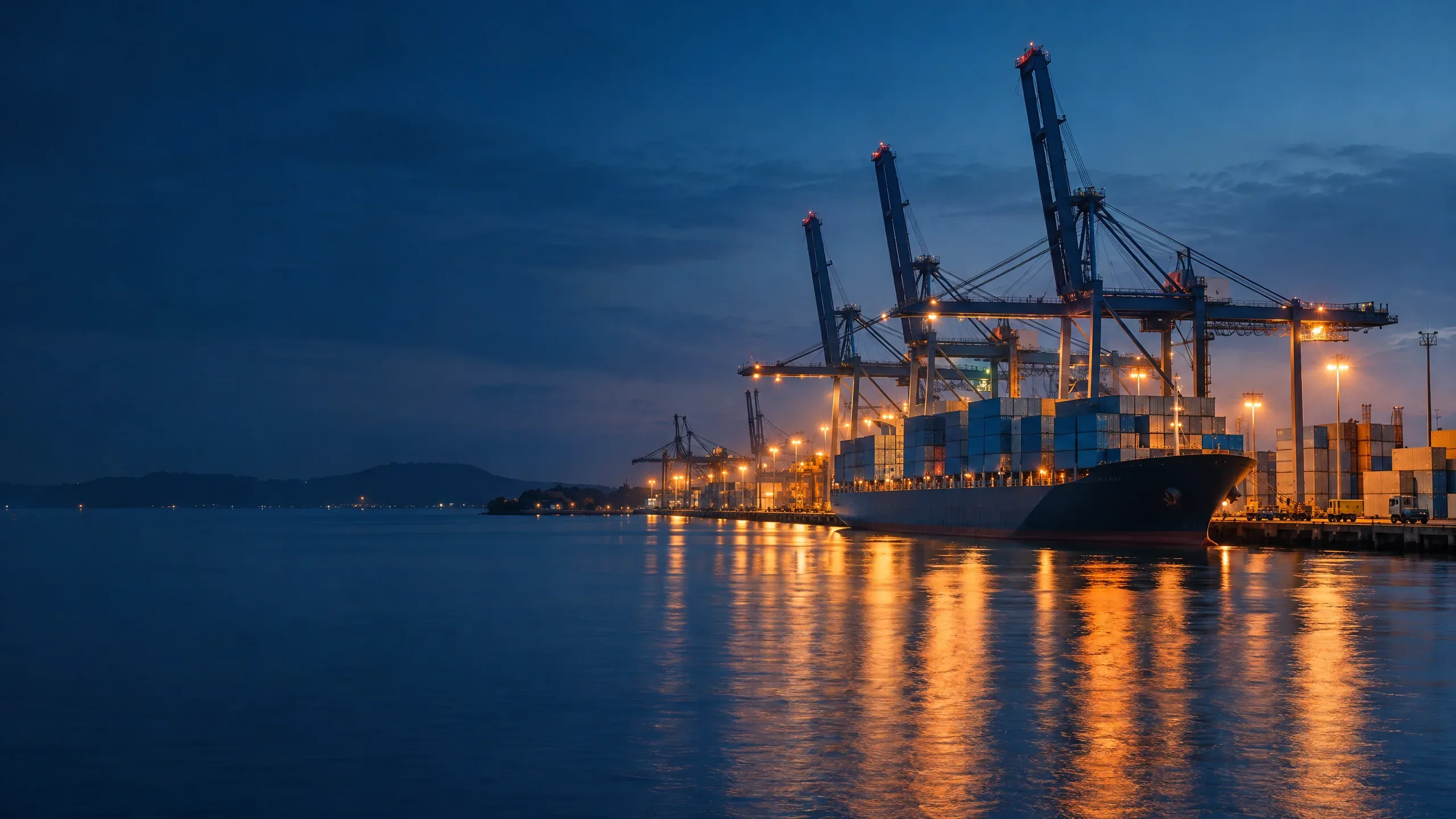
- Shipped by sea from South China, several tents to an order, each packed and labelled as its own set
- The Importer Security Filing goes in before the container is loaded, and a licensed broker files the entry when it lands
- How many tents fit in a container comes from the factory's packing plan, in writing before you commit
- Trucked to your yard or warehouse; the pallets need a forklift or a dock
Each step of the landing is priced on your tents and set out on the quote. How that works Add up a landed cost
What we do on an order like this
- We confirm the tents you describe with the factory, and the date, before you commit.
- We ship welded, hot-dip galvanized steel frames every season, and a frame tent is built the same way: steel tube cut, drilled and welded into legs, rafters and fittings, then galvanized.
- Before you commit, the test paperwork for the top and sidewall fabric in your order is discussed and agreed with you, and if the factory cannot produce a lab test report to NFPA 701 on that exact fabric, we do not go ahead with it. For tents that will be used in California, we check the fabric against the State Fire Marshal's list before we say go.
- We check the tents at the factory against the spec sheet you signed off, one set at a time, before they are packed, and we handle the paperwork that lands them.
Questions
Asked about party, event and wedding tents
What are those event tents called?
Most are frame tents. A steel frame of legs and rafters holds the top up, so there are no centre poles and the floor underneath stays clear. A pole tent hangs its top from tall centre poles and is held out by stakes and ropes. A high peak tent is a frame tent with a taller, pointed roof. Sellers list all of them as party tents, event tents or wedding tents. We quote frame tents.
What is a commercial grade tent?
The phrase has no fixed meaning, so judge a tent by what you can specify and check: the steel tube, its wall and its zinc; the weight of the PVC fabric; welded seams rather than stitched ones; a label on each top; and a flame test report on the exact fabric. A tent that a rental crew puts up every weekend needs all five written into the order.
Are frame tents better than pole tents?
For a rental fleet they are often the easier tent to book out. A frame tent has no centre poles, so tables go anywhere, and it can stand on grass, a car park or a patio, staked into soil or held down with ballast on a hard surface. A pole tent needs stakes driven into soil all round it, but it goes up with fewer parts. Which suits you depends on the sites your customers book.
What size party tent do I need for a hundred guests?
How many guests a tent takes depends on the layout and on the fire code your area adopts, not on the tent itself, and the guide to party tent sizes works it through. Tell us the footprints your customers book and how they lay them out, seated at tables or standing, and the factory's drawing shows each tent's exact footprint, so you can plan tables against it before you commit.
How much does a commercial party tent cost?
Party tents for sale online list a price for one tent from stock. We do not publish one, because a fleet order turns on the footprint and style, the steel tube and finish, the fabric and sidewalls, how many tents you order, the ocean freight and the customs entry. The quote gives each of those its own line, and the landed cost calculator on this site adds them up. The spec sheet and the date are confirmed before any of it.
Where can I buy commercial party tents?
US stockists sell single tents from a warehouse, and that is the right route if you need one tent soon. A factory order suits a rental company or a venue buying several tents to one spec, with the fire paperwork asked for before anyone commits. That is the route we run: you send the spec sheet, and we come back with the date and the landed quote.
Can I get the tents with sidewalls?
Yes, in the same order: solid, with windows, or mesh, and the way they hang from the frame. The flame test report covers the sidewall fabric too, and each sidewall carries its own label.
What flame paperwork does a party tent need?
Under the International Fire Code, as your area adopts it, a fire code official may ask for a lab test report on the top and sidewall fabric to NFPA 701, the fire test for fabrics, before a permit is granted. The code also asks for a permanent label on each tent giving its size and fabric type, and an affidavit naming who treated the fabric, when, with what, and which lab tested it. The test paperwork for the exact fabric in your order is discussed and agreed with you before you commit. For tents used in California, we also check the fabric against the State Fire Marshal's list. If a factory cannot produce the report, we do not go ahead with it.
Will new tops fit the frames we already own?
They can be made to. Send the frame's measurements, photos of a corner and a fitting, or an old top to copy. The factory draws the new top to them, and nothing is cut until you approve the drawing. Keep a note of each top's fabric code, so a replacement matches the rest of the fleet. Between events, wash the tops with mild soap and water and let them dry completely before they are packed away, and ask the fabric maker which cleaning its flame treatment tolerates.
Can several tents ship together?
Yes. A fleet order is one production run to one spec sheet, and each tent is packed and labelled as its own set: frame, fittings and base plates, top, sidewalls and anchoring kit. A crew that opens a set finds that tent's fittings in it and nobody else's. How many fit in a container depends on the tents and the packing, so the factory works out a packing plan and you have the count in writing before you commit.
What do you check before the tents ship?
Each tent's tube and zinc against the spec, its fittings and base plates against its packing list, the seams on the top and sidewalls, the label on every piece of fabric, and the fabric code on the flame test report against the rolls used. Where the order calls for it, one tent goes up at the factory, and you can ask for photographs before the container is sealed.
What happens when the tents land in the US?
The Importer Security Filing goes in before the container is loaded in China. When it arrives, a licensed customs broker files the entry, and the container is trucked from the port to your yard or warehouse, where a forklift or a dock unloads it. We handle that paperwork, and the quote prices each step on its own line.
Buyer guides
Read before you order
 Guide
NFPA 701 paperwork for tent fabric made in China
What a fire marshal can ask to see for a tent top or sidewall, who signs each paper, what goes on the label, and why California asks for something else.
Read the guide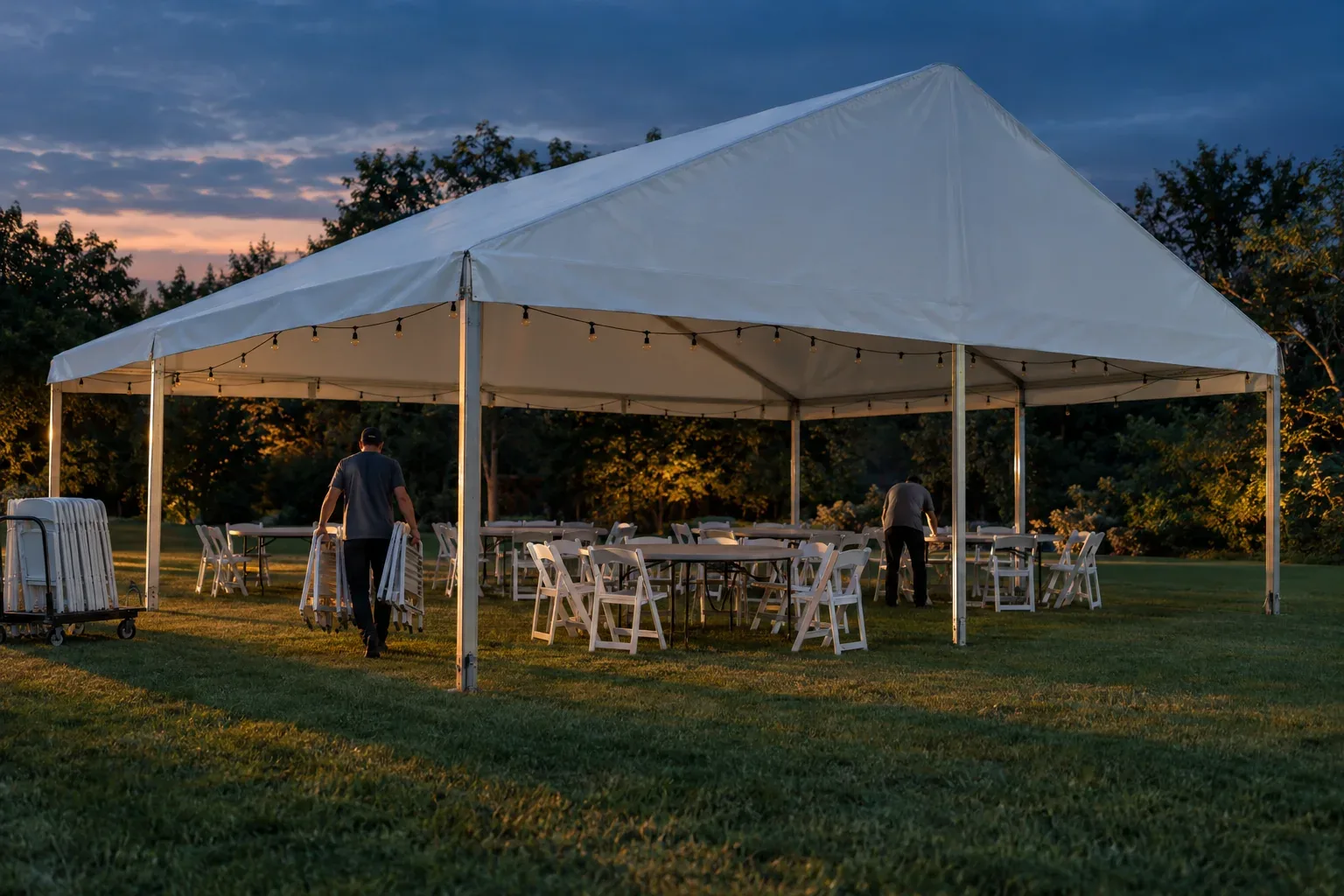 Guide
How to start a party rental business: what to buy first and where to buy it
What a new rental business buys first, when a US wholesaler is the better route, and how tents, chairs and barricades share one container.
Read the guide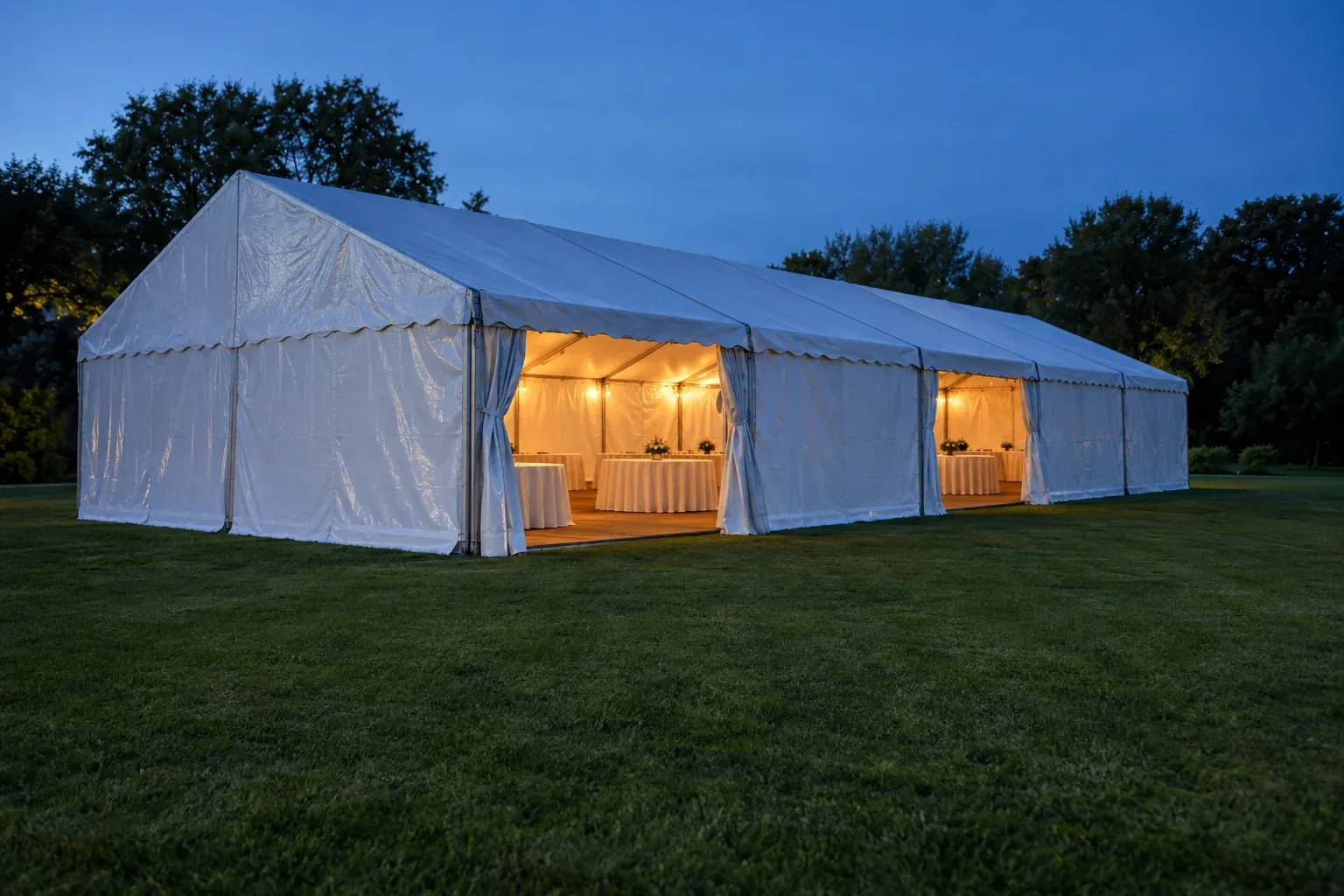 Guide
Tent sizes for events: how many guests fit, and what the fire code counts
How the fire code counts the guests under a tent, standing, in rows or at tables, the exits each count needs, and which footprints a fleet should own.
Read the guide
In the same category
Related products
Portable and LED dance floors
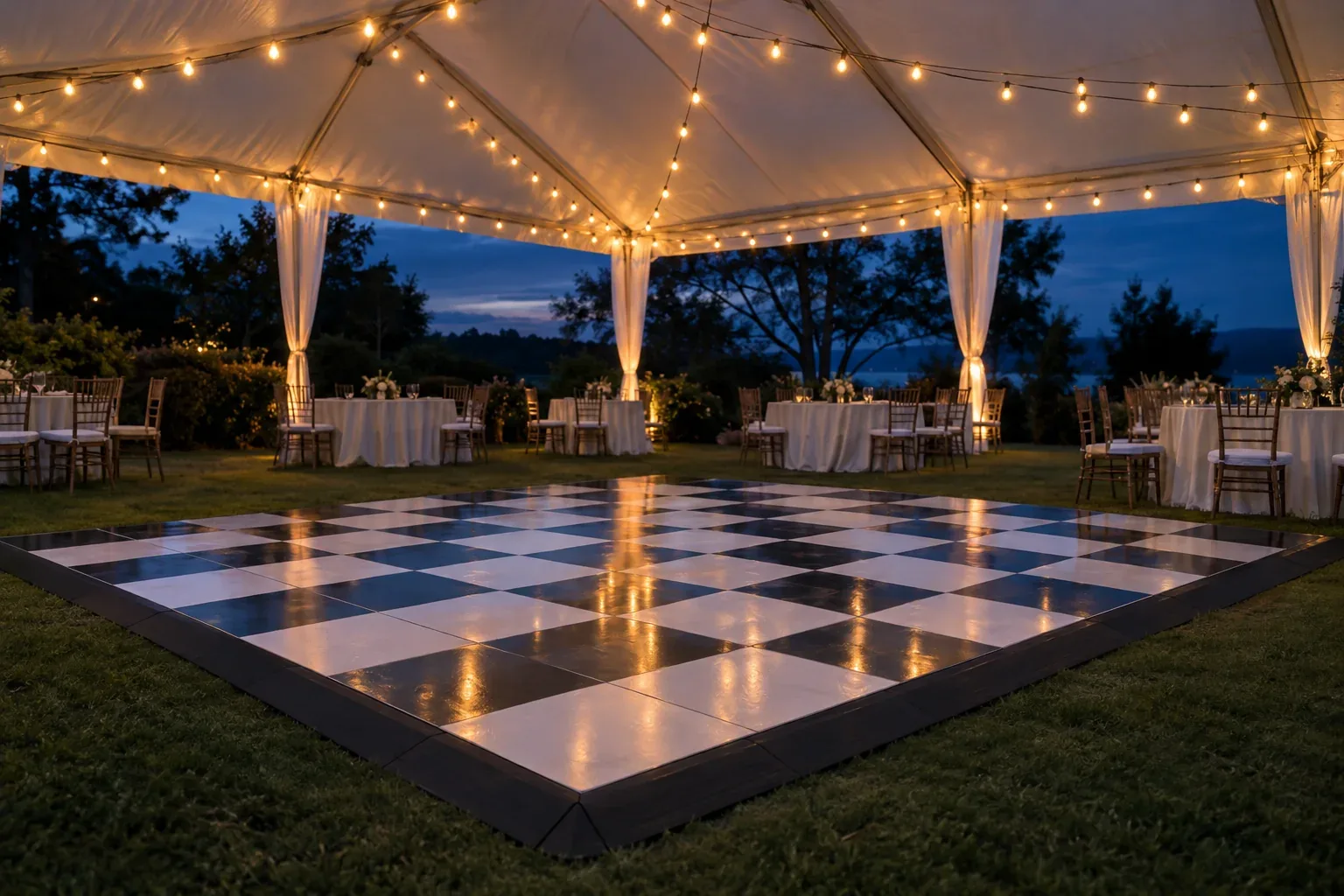
Dance floors for rental companies and venues: interlocking panels with a printed top in a wood look, marble, black, white or a checkerboard, and LED panels that light under the dancers. Edge ramps for every open side, and carts or cases to store them. Send the floor sizes you book, the tops and how many, and we come back with the date and the landed quote.
See the dance floors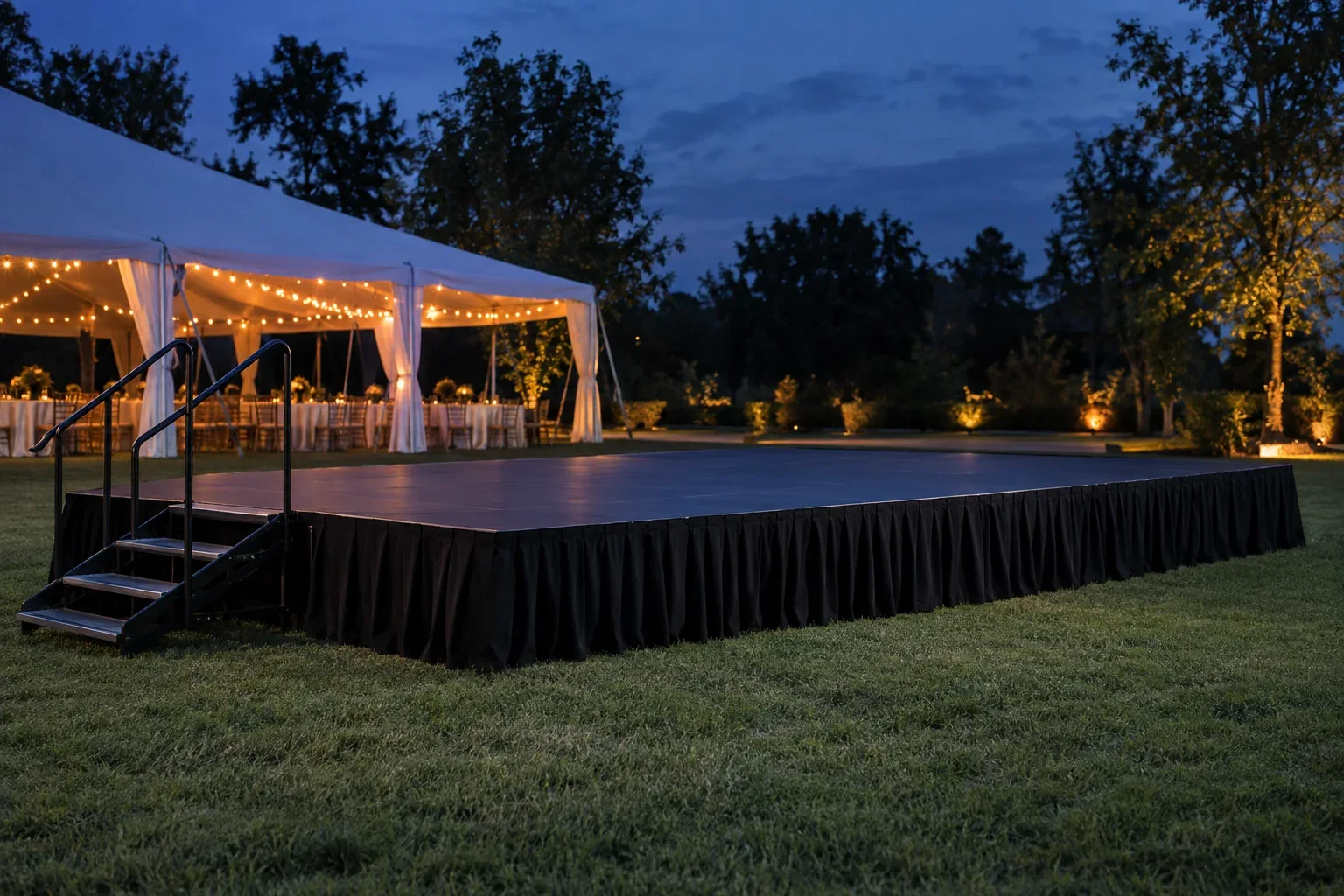
Portable steel stages
Stage platforms on welded steel frames for rental companies, venues and event producers whose stages are booked weekend after weekend: decks at the heights you set, with legs, stairs, guardrails and skirting, made to one spec sheet and shipped by the container. Send the deck sizes, the heights and how many, and we come back with the date and the landed quote.
See the portable stages
Custom flags
Printed fabric flags in your own design for venues, attractions, event series, franchise rollouts and rental fleets that order ahead of the season: rectangle flags with a header and grommets or a pole sleeve, and feather and teardrop flags made to fit the poles you own. Send the artwork, the styles and how many, and we come back with the date and the landed quote.
See custom flagsSomething else?
Send it as a sourcing request. Tell us what it is, the quantity and the date, and we will say whether we can get it made, and by when.
Send a requestRequest a quote
Quote party tents, landed
Tell us the specification, the quantity and the date. The first reply confirms the specification and the date, and the landed quote follows, itemised line by line.
- Reply within 1 business day
- Landed cost, itemised
We take on the orders we can do well, and we will say so if yours isn't one of them.