Guide
Guide
OEM vs ODM: who owns the design, the mould and the sample
When a factory in China offers OEM or ODM, the letters tell you whose design the order starts from. That answer decides who holds the drawings, the mould and the approved sample, what you send first, and who else may buy the same product. This guide is for businesses having goods made for commercial use, by the pallet or the container.
The basics
What OEM and ODM mean, and why OEM means two things
When a factory in China lists OEM among its services, it means it will make your design: your drawing or artwork, your materials, your brand. ODM means it starts from a product it already makes and puts your logo, colours or packaging on it, sometimes with changes you ask for. ODM manufacturing is the factory's own design, made for other companies to sell.
The confusing part is that OEM has a second meaning. In car parts and electronics, the OEM is the brand that designs a product and sells it under its own name, and plenty of articles on OEM vs ODM use the word that way. So a factory offering OEM service and a buyer who calls itself an OEM can be the two ends of the same order.
Skip the argument over the letters and ask the question they stand for: whose design is it? The answer settles who holds the drawings and the mould, what the approved sample is, who else may buy the same product, and how much you pay before the first unit is made. The table below sets the two side by side.
The examples further down come from products on this site: displays built to a drawing, a mascot made as a plush, beanies and cups carrying a venue's artwork, and bulbs packed under a reseller's label.
Side by side
OEM against ODM, line by line
Where a row says the terms decide, that is a line to settle in writing before you pay a deposit.
| The question | OEM: your design, made by the factory | ODM: the factory's design, with your brand |
|---|---|---|
| Whose design it starts as | Yours: a drawing, a sketch or artwork you send | The factory's: a product it already makes |
| What you send first | The drawing or artwork, the materials and finish, and each colour as a Pantone reference | The model you picked, the changes you want, your logo and your colours |
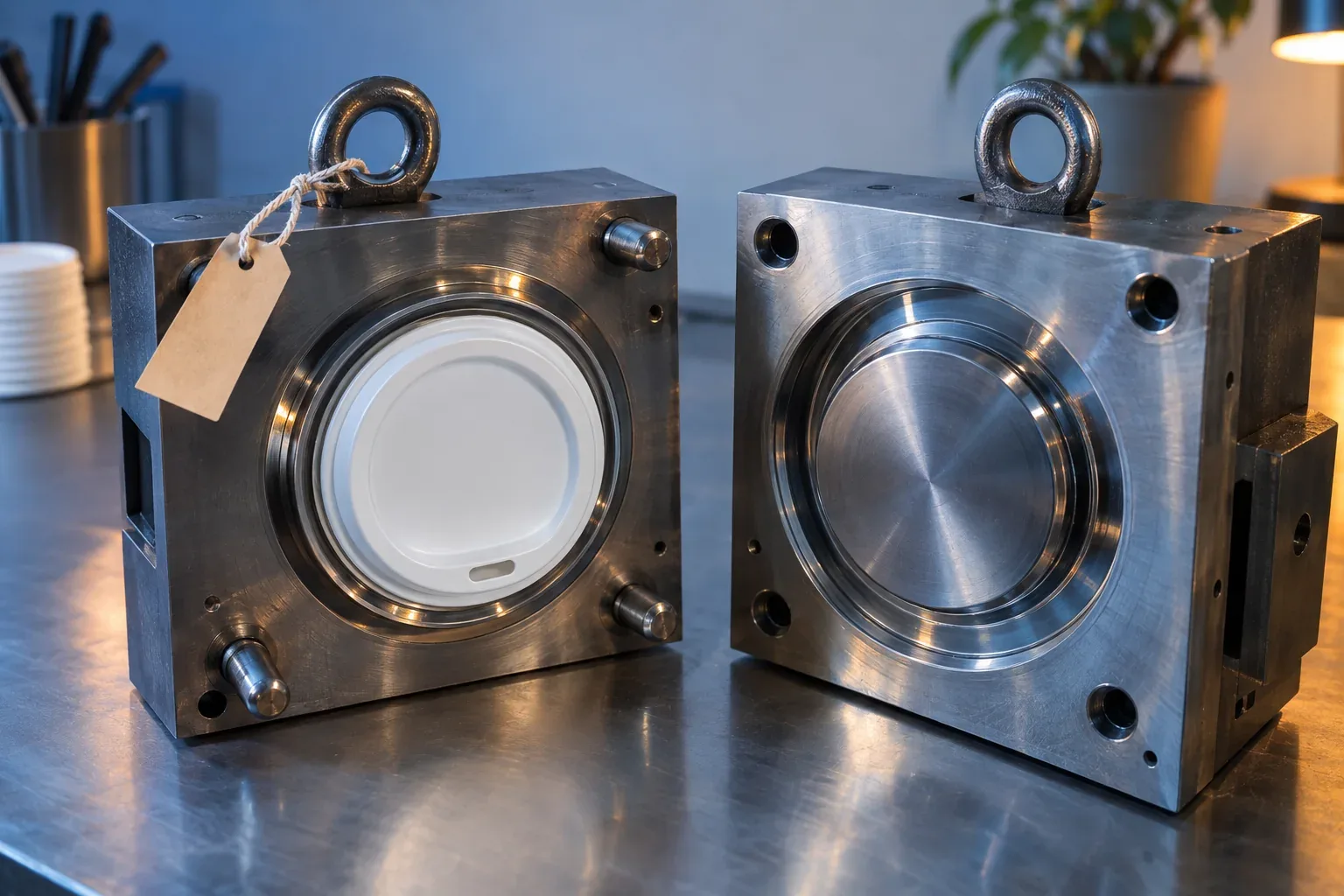
| The mould or tooling | Usually made new for your design and charged on your order. Who owns it, and whether it can move to another factory, is whatever the terms say | Usually the factory's, and already made. A change that needs new tooling moves the order toward OEM |
| The sample you sign off | A first sample built from your drawing, changed until you sign it off | The factory's product with your decoration, often shown as a proof first and then as a sample |
| Who else can buy it | The terms say who may use your drawings and the mould, during the order and after it | Unless your terms say otherwise, the factory can sell the same design to other buyers, under their own names |
| What you pay before the first unit | Drawing and engineering time, the pattern and sample setup, and any new tooling (how tooling is charged) | Mostly your decoration, colours and packing, since the design exists already |
| What carries over to a reorder | Your drawing, the mould, the approved sample and the specification on file | The factory's model, your artwork and the approved sample |
| Product rules where you sell | They sit with whoever imports the goods, and with the brand on the label | The same. They stay with whoever imports the goods, even on the factory's own model |
Many commercial orders sit between the two: an existing frame in your colours, a stock cup shape with your artwork, a standard product changed in one place. The test stays the same. Whose design is it, and what is written down? For small stock items with a logo, the gift shop guide weighs stock with your logo, or made to your design.
Examples
What OEM and ODM look like on a commercial order
Each of these is a product on this site, and each sits somewhere between your design and the factory's.
Built to your drawing (OEM)
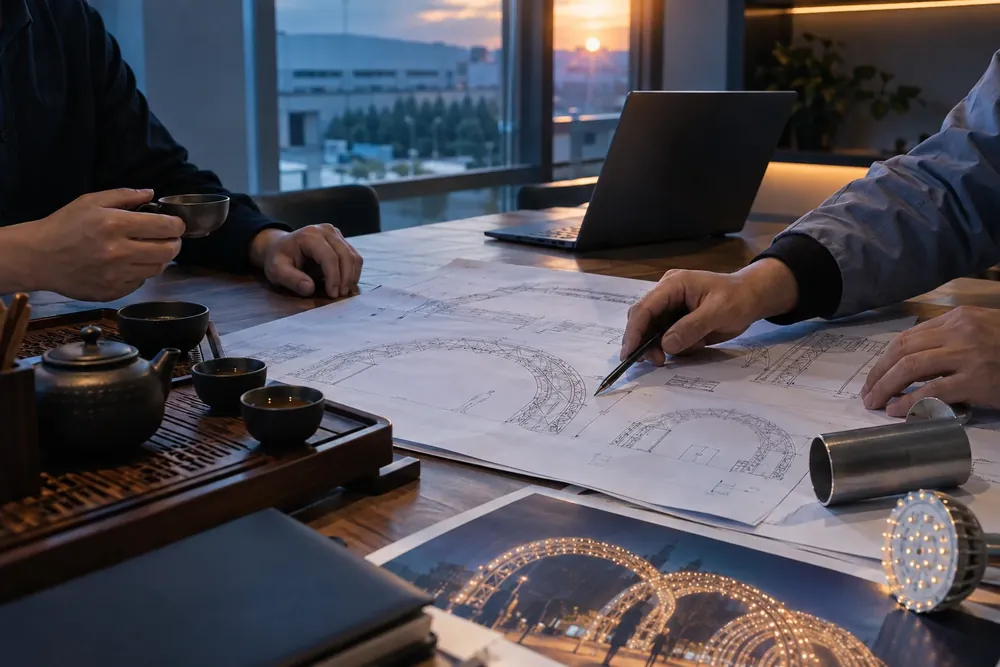
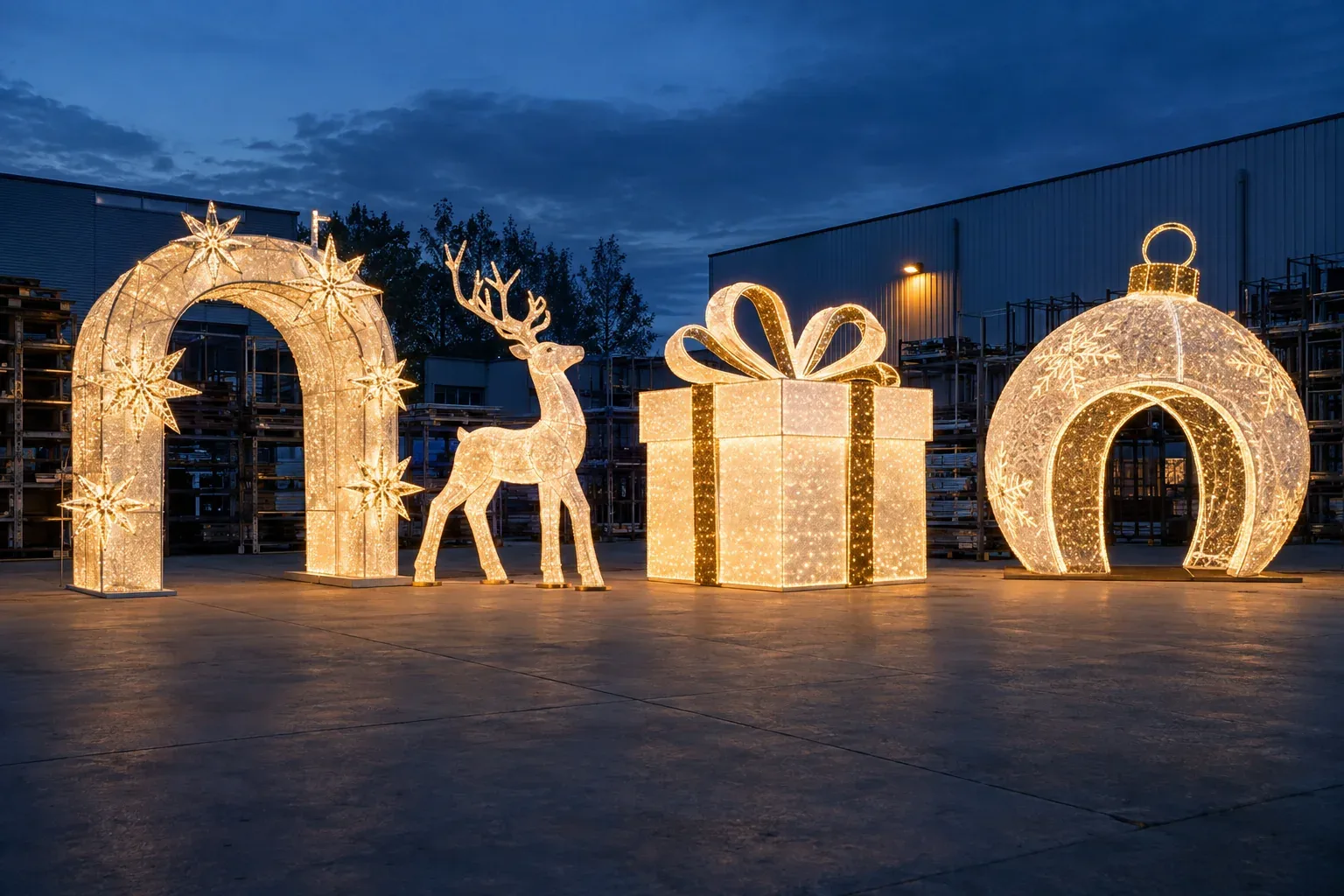
A walk-through arch, a figure or a photo-op structure, built from your drawing or from one drawn up from your sketch: displays built to your drawing. A sponsor's logo or a licensed character goes on only where you hold the rights to it.
Your mascot, from your artwork (OEM)
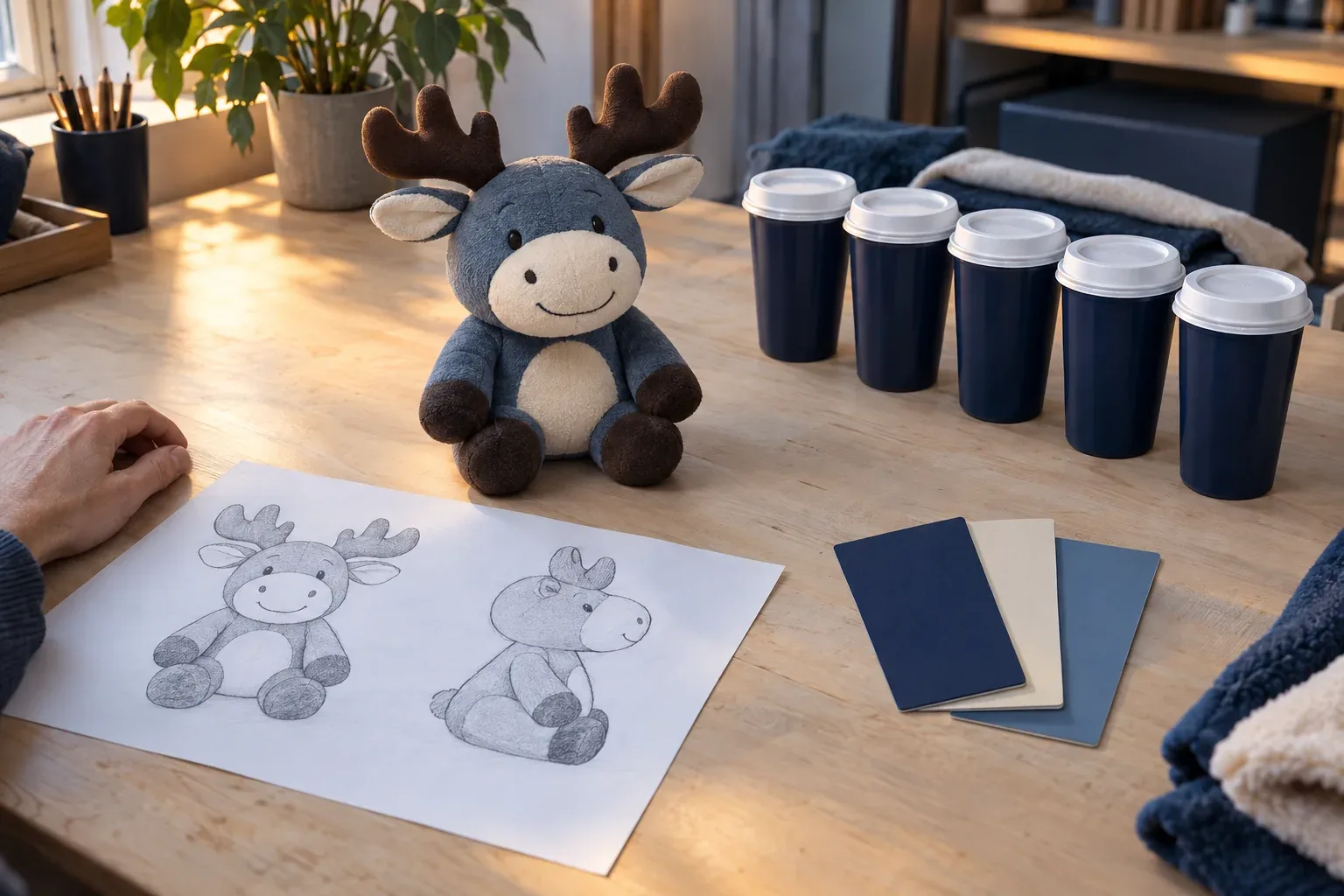
The factory turns your artwork and views into a pattern and sews a first sample, and nothing goes into production until you sign it off: your mascot as a plush. Every plush is quoted as a children's toy.
Your design, knitted in (OEM)
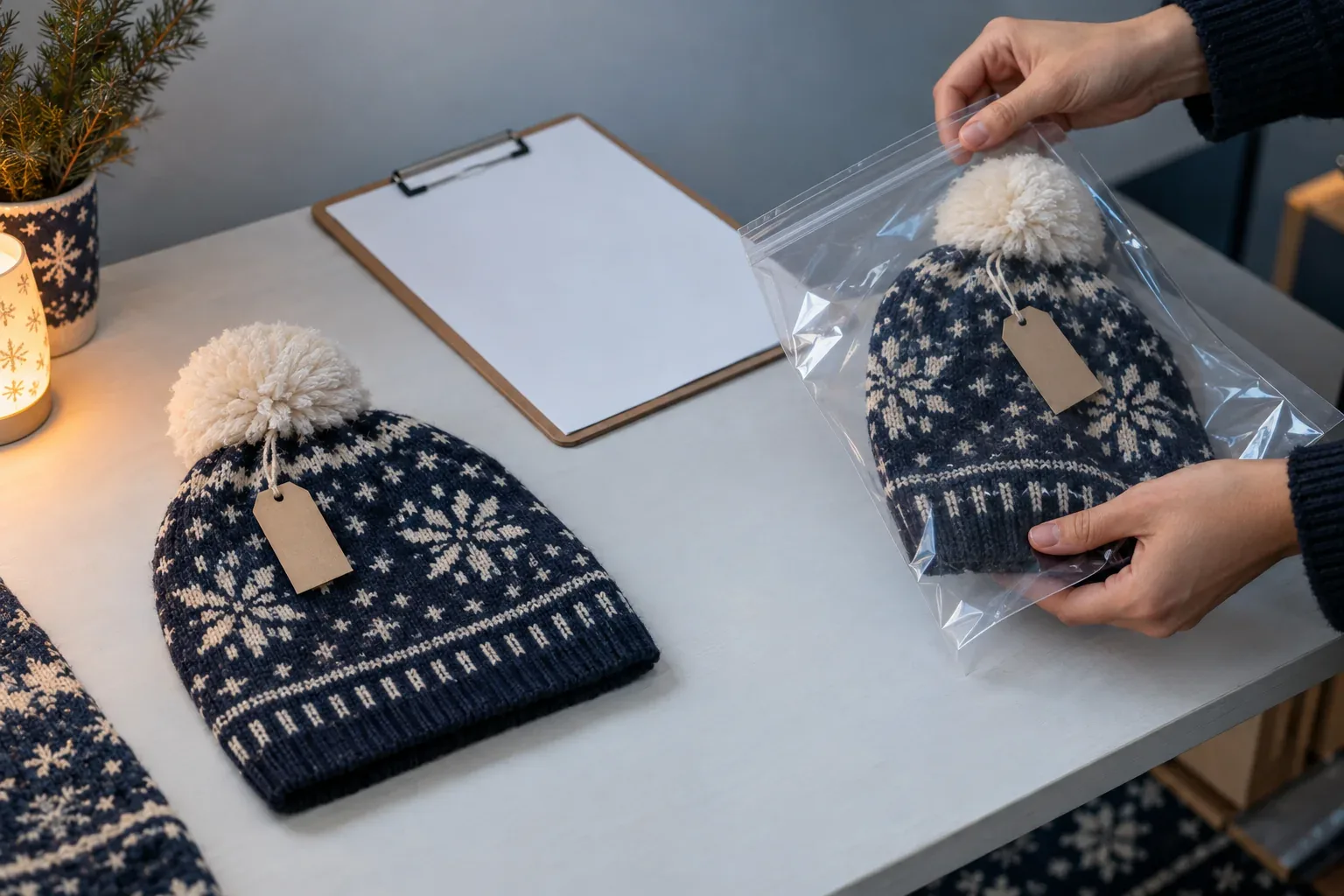
Your artwork becomes a knit chart you check before a sample is knitted in your yarn colours: your design knitted into a beanie. A new leather patch needs tooling the first time, and a patch from an earlier order does not need it again.
The cup you choose, your artwork (ODM)
Pick a stadium-style, colour-changing, aluminium or light-bulb cup, and the factory proposes how your logo goes on it. Next season the cup can stay the same with new artwork: the cup you choose, with your artwork.
A stock shape or your own (both)
Street-pole motifs are built to a stock shape or to your design. Your own design starts as a drawing sent back to you for approval, then a first piece, then the run: a stock shape or your own, on your street poles.
Your label on a standard product (private label)
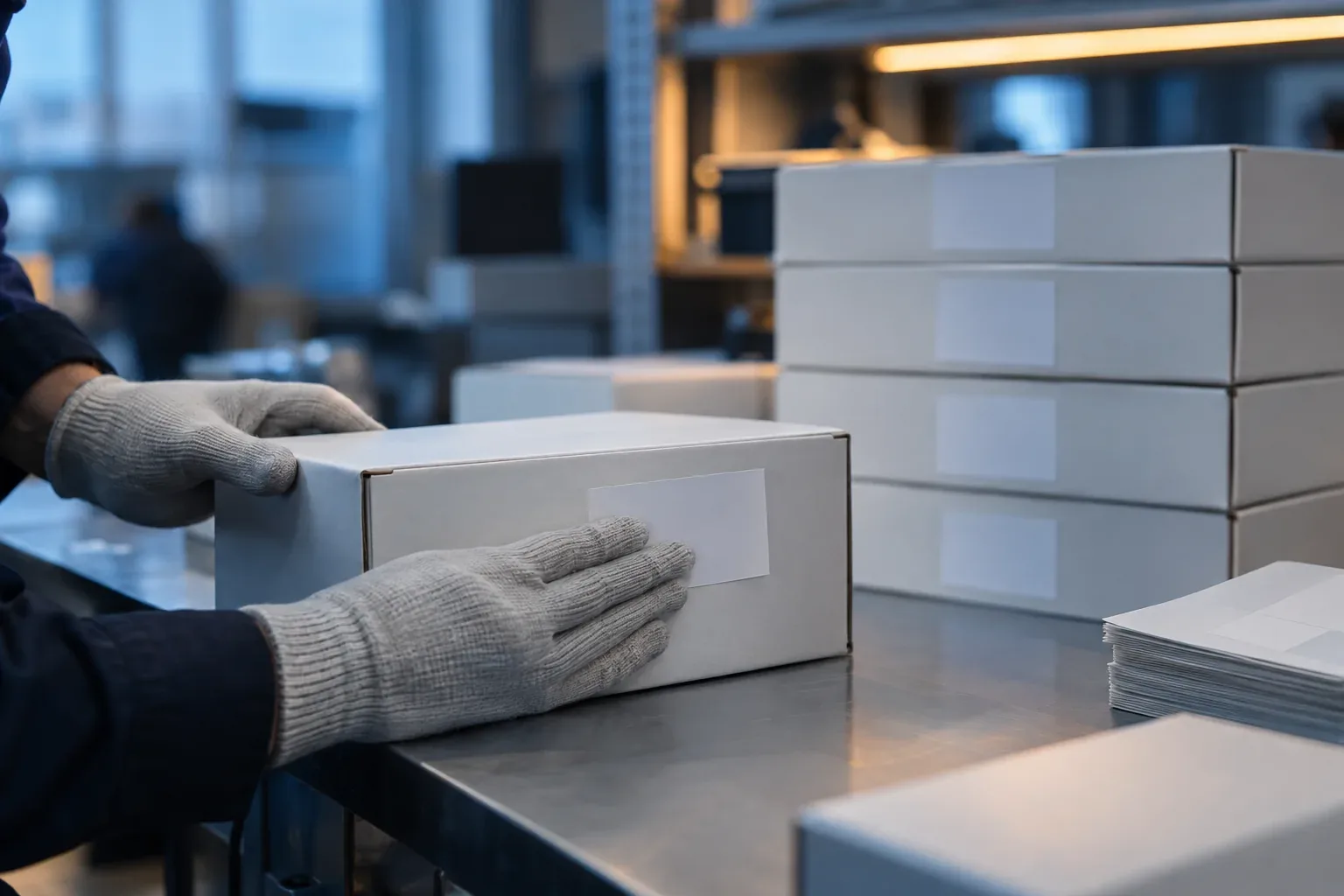
Bulbs in the standard colours on the current list, in inner packs under the buyer's own label: bulbs packed under your own label. The case studies describe a reseller supplied under its own label, without names.
Before you commit
Before the deposit: what to settle in writing
The letters on a quote settle nothing. The terms do, so these are the lines to agree before you pay a deposit.
The design and its files
Whose drawings and artwork they are, and who may use them once the order is done. That includes a drawing someone else draws up from your sketch.
The mould and tooling
Who pays for it, who owns it, and whether it can move to another factory if you move the order. Have the answer written into the terms.
The approved sample
The sample you sign off is the reference the run is checked against, and both sides keep one. The plush guide walks from your drawing to a first sample, step by step.
Who else can buy it
On an ODM product, ask whether the factory sells the same design to other buyers. Any limit on that is a term you ask for. Without one, expect the factory to keep selling it.
Your logo and other marks
Your logo goes on only with your written authorisation, and anyone else's mark only with its owner's. A licensed character also needs the licensor to approve the factory.
Your marks in China
China registers a trademark to whoever files first, and a US registration does not reach China. Whether to register your marks or a design there, and when, is a question for your counsel. A design shown in public before a Chinese filing can lose the novelty that filing needs, so ask before you publish it.
An agreement written for China
Some buyers have counsel draft a confidentiality and non-use agreement written for China, often called an NNN, before they send a drawing.
The rules for your market
Whichever model the factory works to, the rules for the goods where you sell them sit with whoever imports them and with the brand on the label. Your broker or counsel confirms what your goods need.
The contract manufacturing guide covers how a custom order runs, step by step.
Other terms
Where private label, white label and OBM fit
Private label
This describes the label, not who designed the product: your brand on the goods, and the factory's nowhere on them. A private label product can be OEM or ODM.
White label
The same product sold under several buyers' labels. On an ODM product, ask whether yours will be one of several. The list above has the question.
OBM
An original brand manufacturer designs, makes and sells under its own brand. Buying from one means buying a brand's product rather than having goods made, so it sits outside this guide.
Who you contract with
Where a trading company or a buying agent sits
Between you and the factory there is often a third company. Ask which side of the contract it is on.
A trading company, not a factory
That is what we are. We find a factory that can make your product, follow the order while it is made, and ship the goods to you.
When we sell you the goods
Your contract is with us and ours is with the factory, so the terms in the list above have to run through both. Our margin sits inside the price.
When we act as your buying agent
This applies when you name the factory, or want to contract with it and pay it yourself. Your contract is then with the factory, and those terms go into it. Each quote names the arrangement, and How we work explains seller of record or buying agent, and how we are paid.
Checked against what you approved
The order is held to the specification and, where the product allows one, to the sample you signed off. Before packing, an American on our team checks the goods against both.
Papers, order by order
Which papers come with your order, and in what form, we work out with you for each order.
Who it suits
Commercial buyers ordering by the pallet or the container. The services page sets out who we work with.
Where this applies
The products in these examples
Each product page has what sets the price and the quote form for that product.
Custom LED motif displays
Walk-through arches, animated figures, tunnels and photo-op structures for light attractions, downtowns and parks. We build from your drawing or make one from your sketch, crate the structures to fit the container, and clear them through customs at the other end.
See the displays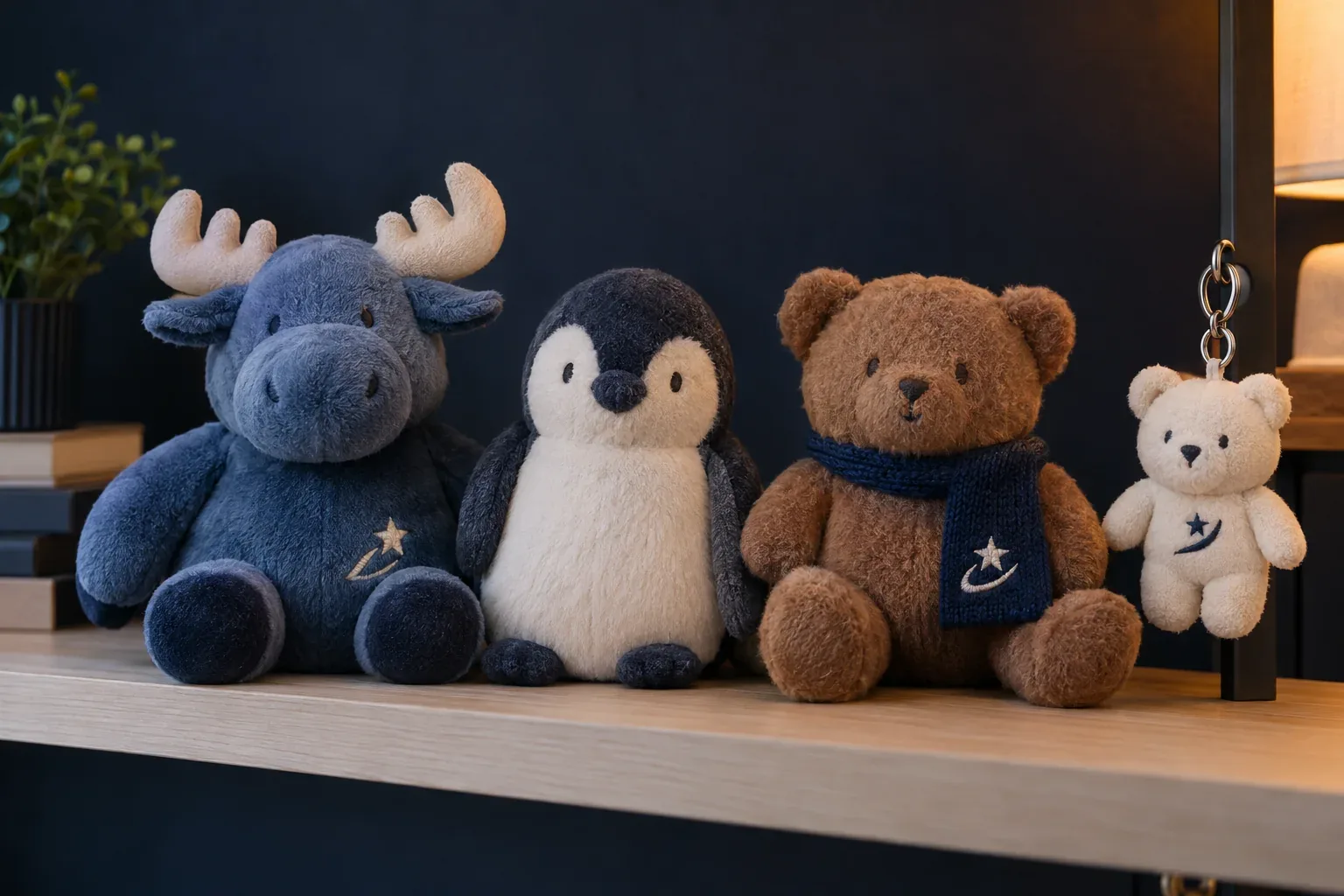
Custom plush toys
Your mascot or your animal as a plush, made to your design for an attraction's gift shop, or a plush animal wearing your logo on its shirt or scarf. Each piece carries sewn labels, including "Made in China", a sample from the run goes to a lab before the order ships, and the order is planned back from the day the plush has to be on your shelves.
See the custom plush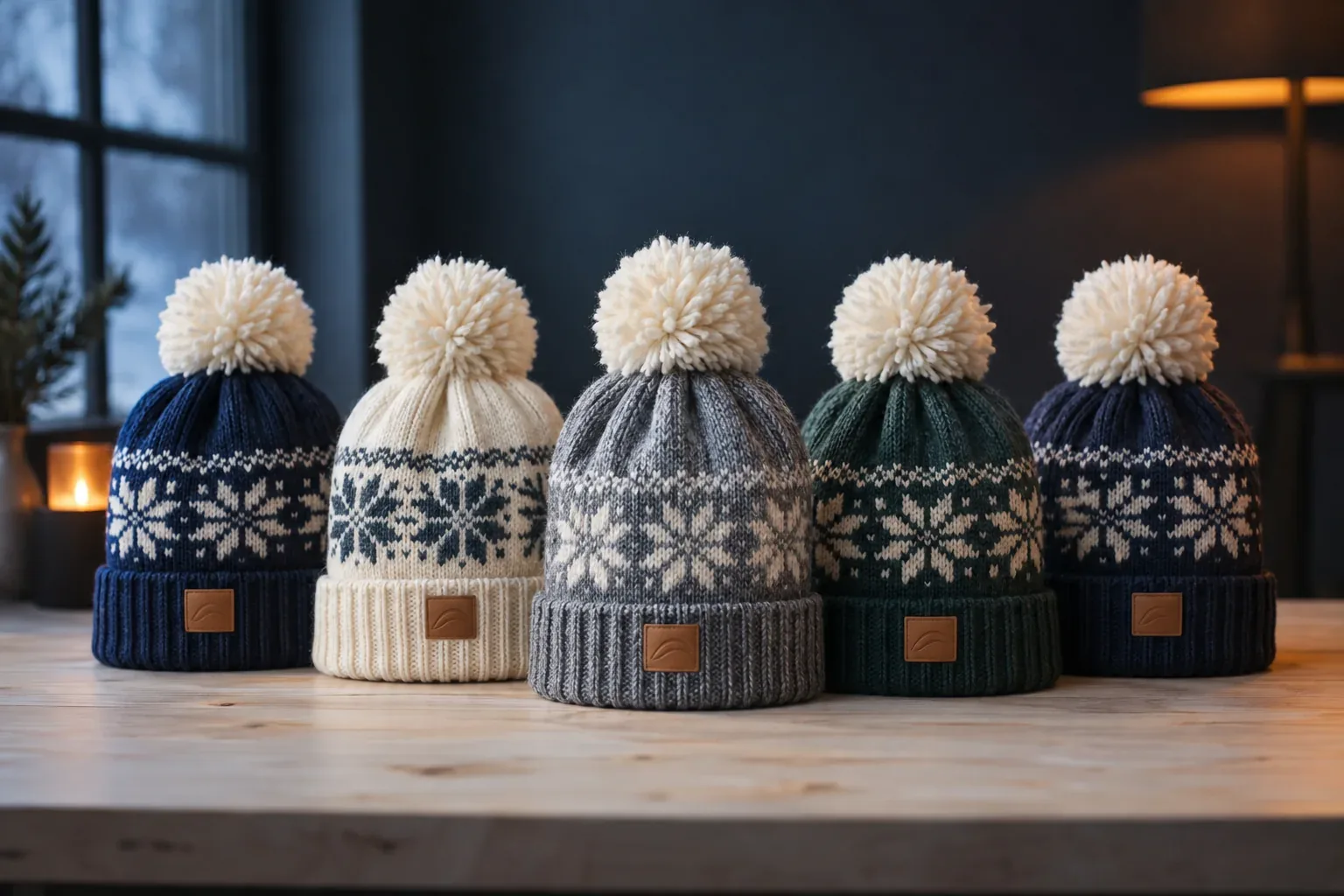
Custom knit beanies
Beanies knitted to your design for the gift shop of an attraction or venue: your artwork and yarn colours knitted in, a pom-pom, a leather or faux-leather patch on the cuff and your own sewn labels, with scarves to match. You approve a sample before the run, and the order is planned back from the day the beanies have to be on your shelves.
See the knit beanies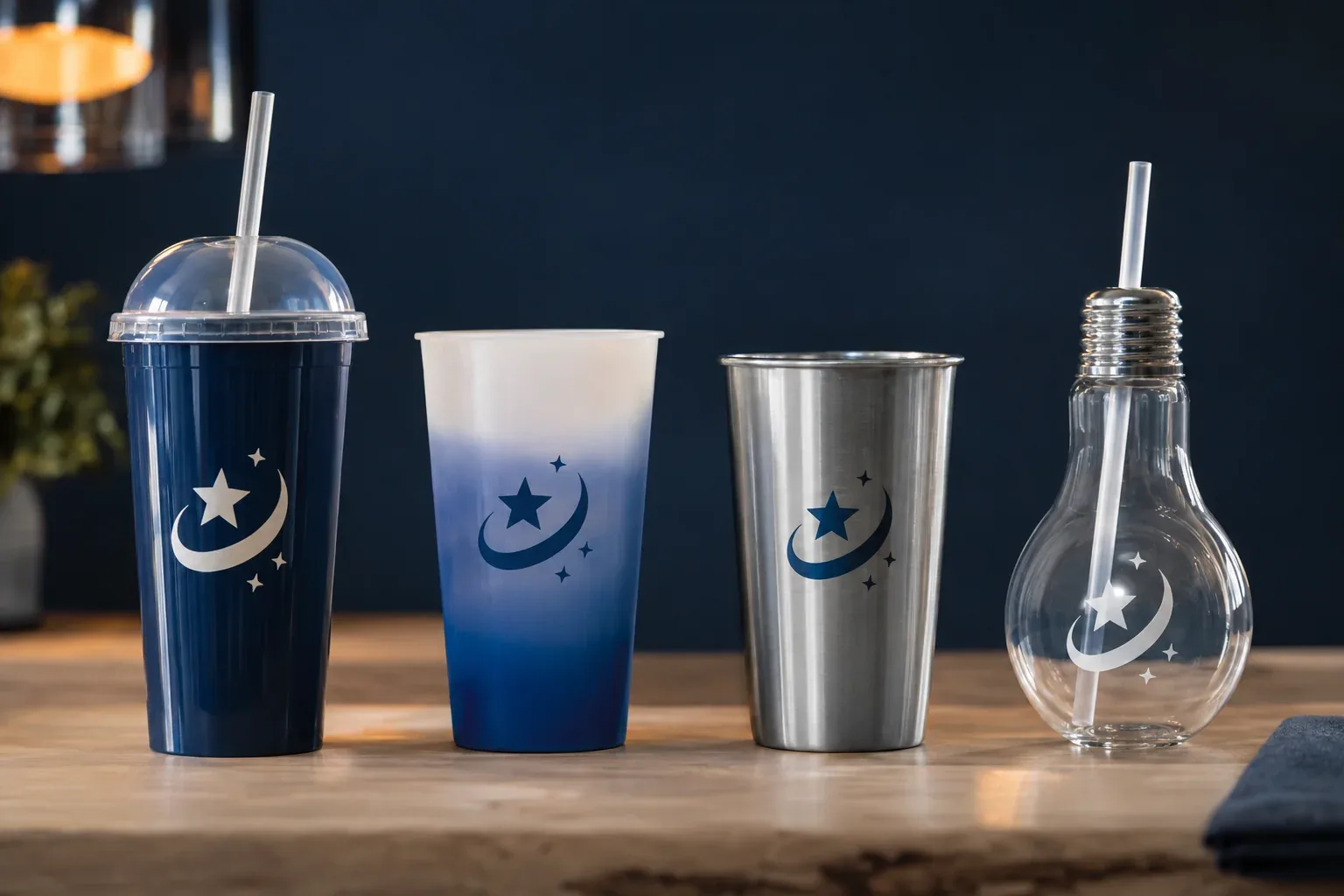
Custom souvenir cups
Souvenir cups in your own design for an attraction's gift shop or concession stand: stadium-style cups with lids and straws, colour-changing cups, one-piece aluminium cups and bottles, and light-bulb cups with a silver cap. Every part's material is named before you commit, each cup is marked with where it was made, and the order is planned back from your season's first day.
See the souvenir cups
Pole-mount Christmas decorations
Lit snowflakes, stars, bells or your own city's motif, made to fit the poles on your streets. Tell us about the poles and who owns them, send a design or a sketch, and we build the frames, crate them flat and quote them landed.
See the pole decorations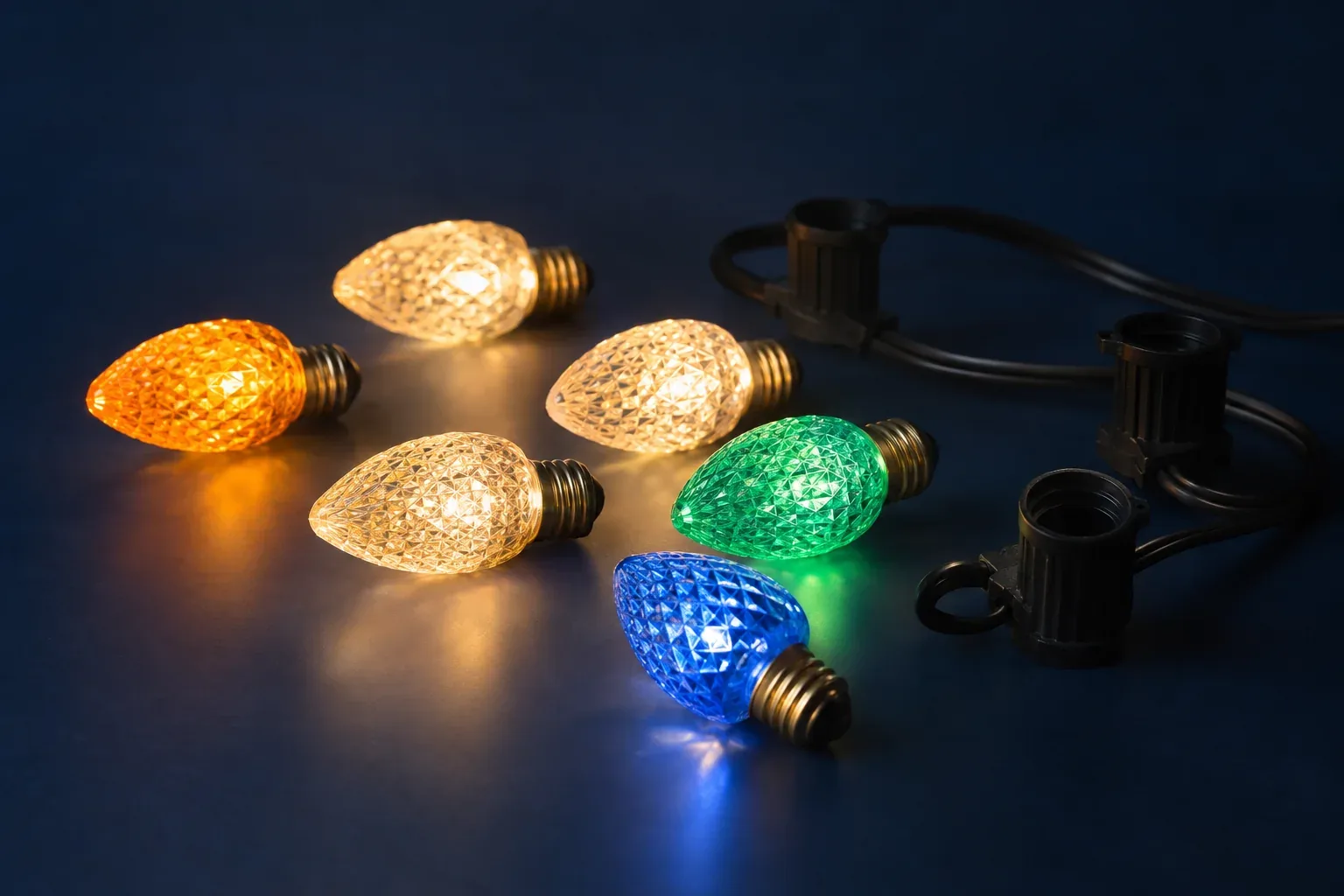
C9 LED Christmas bulbs
Replacement and new-install C9 LED bulbs for professional displays. We have shipped them to the same customers season after season, usually with the socket wire and plugs that go with them.
See the C9 bulbsWhere to go next
- Contract manufacturing in ChinaFrom your drawing to your door, and what to have ready
- How we workSeller of record or buying agent, and which company invoices you
- Paying a supplier by T/TWhat each payment is tied to, and what to check before the money goes
- Landed cost calculatorAdd up the lines past the unit price
Questions
Questions buyers ask
What is the difference between OEM and ODM?
Whose design the order starts from. OEM means the factory makes your design, and ODM means it makes its own product with your brand on it. That decides who holds the drawings, the mould and the sample, and the table above sets out the rest.
Does ODM cost less than OEM?
An ODM order usually needs less paid before the first unit, because the design and most of the tooling exist already. The unit price is another matter. It turns on the quantity, the decoration, the packing and the cost of landing the goods, so add up the lines past the unit price before you compare.
ODM vs OEM: which is better?
Neither, in general. OEM gives you a design that starts as yours, with drawings and terms to match. ODM gives you a product that exists already, in your colours and under your brand. Plenty of commercial orders mix the two: a stock shape in your colours, or a standard product with one change.
What does ODM stand for?
Original design manufacturer: a factory that designs a product itself and makes it for other companies to sell under their own names.
What is OEM vs ODM vs OBM?
With OEM, the factory makes your design. With ODM, it makes its own design under your brand. An OBM, or original brand manufacturer, designs, makes and sells under its own brand, so buying from one means buying that brand's product.
Is private label the same as OEM?
No. Private label is about whose name is on the goods, while OEM and ODM are about whose design they are. A private label product can be either.
Who owns the mould on an OEM order?
Whatever the terms say. If you are paying for a mould, have it written down who owns it and whether it can move to another factory, before you pay the deposit.
Request a quote
Send the drawing, or the product you have in mind
Tell us whose design it is, how many you need and the date they have to be on site. For a product we do not list, the first reply says whether we can get it made, and by when, and the landed quote follows.
- Reply within 1 business day
- Landed cost, itemised
We take on the orders we can do well, and we will say so if yours isn't one of them.